
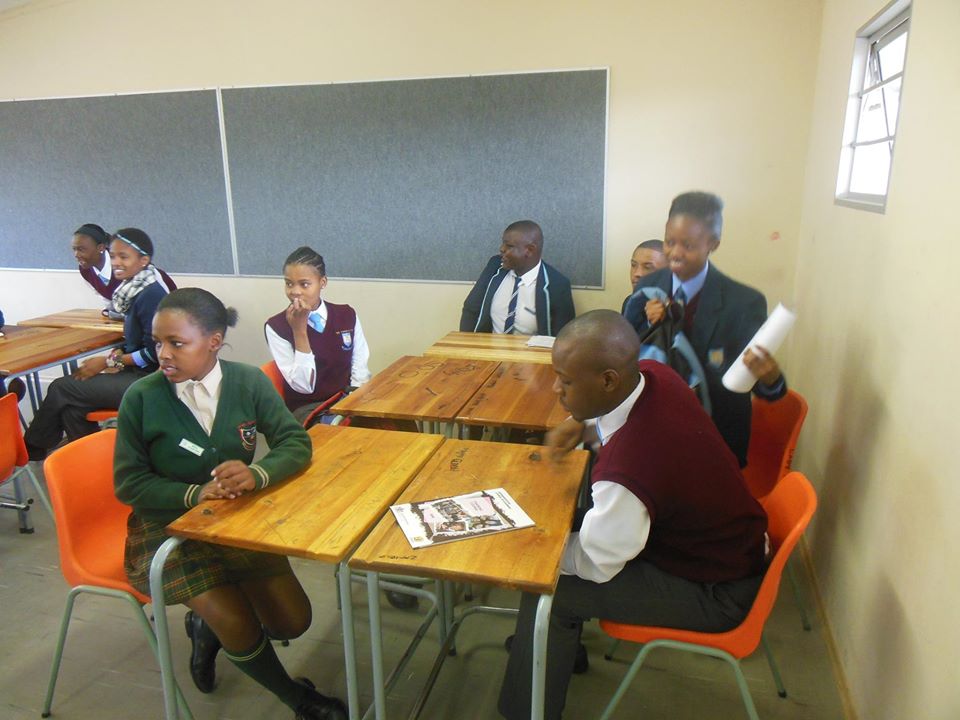
| By Paul McNally What’s new at Develop AI? Recently I was in Pietermaritzburg in South Africa to conduct an AI training for Leads 2 Business, an incredibly innovative company that is changing the way the construction industry receives its project and tender information. We will follow this up with a series of one-on-one mentoring sessions to dig into where AI implementation can truly help their business workflows. And then we will do a second training next week for them in Johannesburg. You can find out more about our AI trainings & mentoring for businesses at www.developai.co.za. AI cameras fitted to teachers to collect data on school kids The data harvest continues. A while back 404 Media ran a story about how AI researchers increasingly want access to real-life human behaviour, including children, to build better models.The University of Washington framed the recording as harmless because “nothing changes” in the classroom. But constant recording is itself a major change, especially in spaces involving children, and the defence that it doesn’t impact the one surrendering the data is the key red flag for how these practices are allowed to perpetuate. Because the impact may not be immediate, but be felt far into the future and perhaps not to that specific person, but in the aggregate. On top of this, if people (or parents in this case) are confused about how to opt-out or what opting IN really means then it is not truly “informed”. And what constitutes informed has to be on the terms of the people who are having their data extracted (not the researchers or tech companies). The first time I remember seeing this obfuscation was when the Terms and Conditions for iTunes would pop up after a new version was installed and you were asked to agree to a whole lot of information that you never read (South Park made a horrific episode about it) and ever since we have been slowly getting drip fed the idea that we need to be good humoured about giving up our data. We have been told that by surrendering our data then the products we buy will improve and so by extension we will ultimately benefit. The key piece of small print here: companies sell your data to each other enabling them to build an incredibly detailed model of your financial and social situation which could harm your chances of buying a house, financing a car or gaining access to health treatments in the future. And what better place to start building this profile than with children being filmed while at school for a research study?And this fits a broader pattern of how AI systems are moving into intimate environments because everyday human interaction is now valuable training data (not valuable enough for you personally to make money out of it, unfortunately, but valuable to others). Researchers see useful datasets, while parents see surveillance. And as a society we haven’t quite decided what kinds of human experience should be off-limits for AI training. What if a researcher could sell you an upside for filming your kids all day for an AI system, like spotting learning difficulties earlier? Or if they simply offered a reduction in school fees for participating?The Guardian ran a story a couple of months ago about scanning kids in a similar fashion to check their mental health. In Putnam County, Florida, students confide in an AI therapy platform and when the system detects a risk of self-harm it pings a school counselor’s phone. One counselor described getting a “severe” alert at 7pm about a teenager, spending the evening on the phone with the boy’s mother, and calling the police. The child was ultimately fine and you can see why a school would want this: counsellor caseloads are brutal and a teenager who would never approach a teacher with their problems will confide in a chatbot.But the most private thing a child can do, admit they are struggling, now passes through a piece of software before it reaches a human. The chat is confidential, the counsellor tells them, “until it can’t be.” And unlike a conversation with a licensed therapist, these systems do not carry the same privacy protections. So the intimate disclosure becomes a data event: logged, flagged, escalated and routed to police, all by a tool a private company sells to the district at about ten dollars a head.This is the same logic as the classroom cameras: everyday behaviour became valuable because it could train a model. A child’s distress suddenly becomes valuable because it can be detected, processed and acted upon (and help improve the model so the company can up their prices next year). In both cases the justification is care, and in both cases the real shift is that a private system is now sitting inside a moment that used to belong only to people.Develop AI assisted this organisation to implement AI“The recent week of training with Paul McNally was incredible. While it happened in the heart of our month end deadlines, my team and I hung onto each lesson as best we could. It was more than a talk shop, practical assignments during the sessions were life changing,” says Shirley Govender, Founder of Xenor Projects. |

AI cameras fitted to teachers to collect data on school kids..

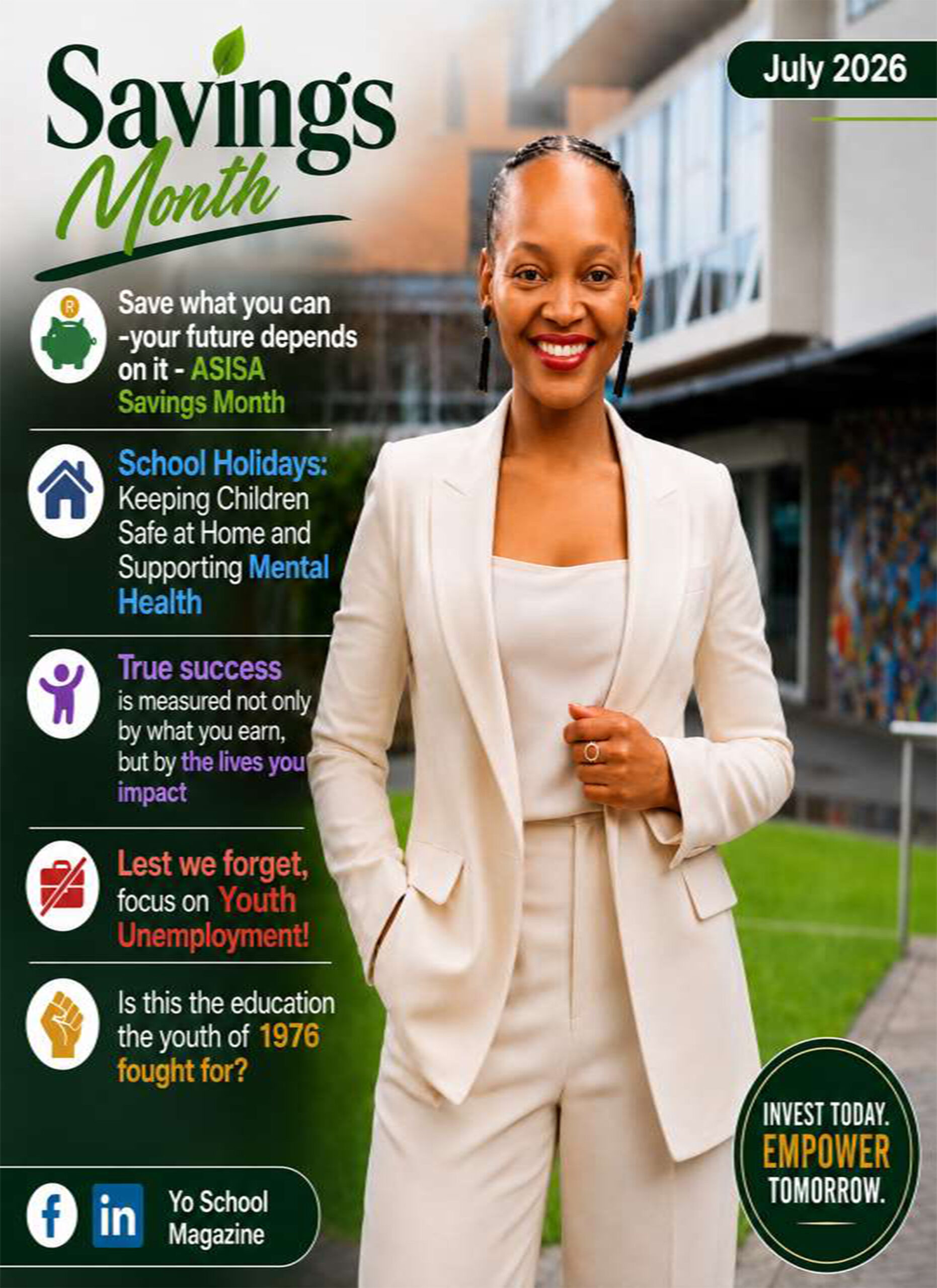


Nyakaza Media Solutions - Yo School Magazine
Nyakaza Media Solutions, founded to empower schools, helps learners research, write, and publish newsletters, bulletins, and maintain websites. With a mission to promote dialogue on issues affecting young people, the organisation encourages learners to celebrate excellence, embrace growth, and strive for greatness. Nyakaza Media Solutions aims to foster better individuals and future South African leaders through positive and productive behaviour.