For many matriculants, a gap year can be a practical decision for their specific circumstances or even health and mental well-being. However, there are many who may have their hearts set on pursuing tertiary qualifications straight after school, but who face the same placement hurdles that so many other South African matrics are experiencing.
Delayed tertiary placements are an unfortunate reality in South Africa. And while the country celebrates its latest record National Senior Certificate pass rate of 88%, there is an ever-growing capacity issue plaguing our higher education system.
According to the Department of Higher Education and Training (DHET), approximately 535,000 first-year places were available across universities, TVET colleges, CET colleges for 2026. At the same time, around 650,000 successful matriculants graduated from the matric class of 2025.
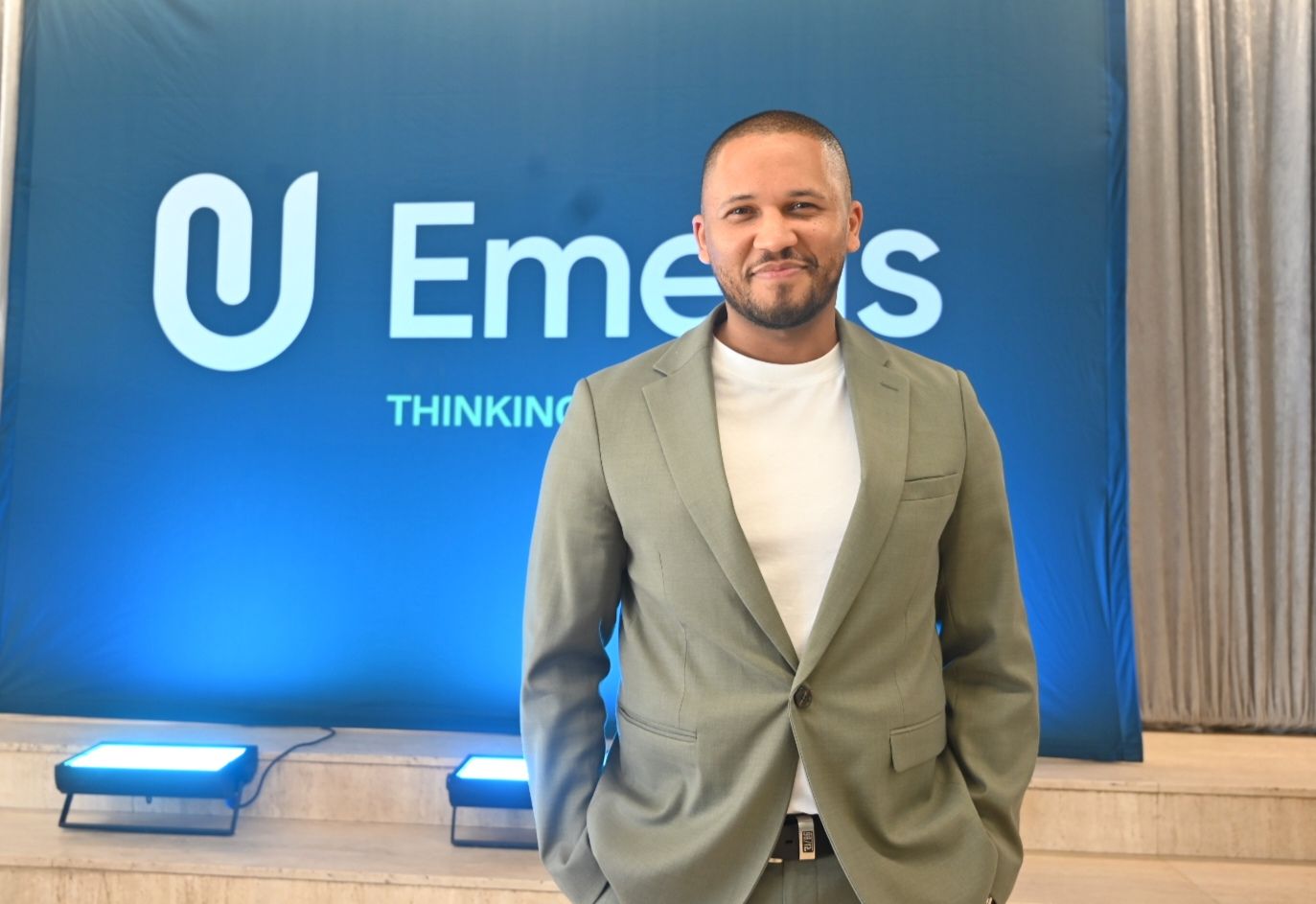
Dr Andre Abrahams, Executive Dean: Academic at Emeris, adds that graduate and entry-level job competition, too, remains intense, reinforcing the value of continued skills development and practical learning during transitional years
“The official unemployment in South Africa stood at 32.9% in early 2025,” he says. “The country’s capacity simply cannot keep up with growing demand for tertiary placement. Because of this, it is understandable that gap years are a necessity more than choice for so many young people. At the same time, it is crucial that gap years are structured around learning, skill-building and career exploration to preserve momentum.”
A productive approach to gap years
A productive gap year starts with a clear learning plan that is ideally linked to the field a student wants to pursue. Short courses completed online or on a part-time, on-campus basis go a long way towards preparing students for study in a more manageable and palatable way and can often enhance their tertiary study experiences later on.
For instance, the right schedule of short courses can strengthen academic habits such as research, writing and time management, while building practical competencies aligned to career interests. These courses can also help students test career paths before committing to multi-year degrees, reducing the risk of misaligned study choices and the financial, time and energy commitments that come with this.
“A gap year is often and erroneously looked at as a waste of time or a drift away from academic pursuit, when the case can be quite the opposite,” says Abrahams. “When students engage in focused short courses, they develop confidence for tertiary study as well as the workplace. In fact, having this experience ahead of your studies signals to many employers about your initiative and resilience.”
Boosting skills for a competitive edge
Demand is growing across industries for graduates with skills that are valuable for the future. These include digital literacy, AI fluency and data-informed thinking and equally important is the ability to bring human insight and creativity to the table when leveraging AI. As such, “soft” skills like strong communication, problem-solving and critical reasoning are important to have, yet many graduates entering the workplace often lack.
Choosing courses that support the development of strategic thinking, digital communication and applied research can also help candidates demonstrate initiative and career focus. These skill areas support stronger portfolios, clearer career direction and more compelling tertiary applications, while signalling motivation and momentum.
“Short courses work best when chosen with intent. Look for reputable providers, align course content with your career goals and prioritise programmes that offer practical application and credible assessment,” adds Abrahams. “Online options are a great choice because they allow for flexibility and are mostly easily accessible, allowing learners to balance their studies with work and family responsibilities, along with a social life.”
Beyond academic preparation, a strong gap year can include part-time work, internships, volunteering, portfolio projects or even entrepreneurial ventures. Far from the idea of “keeping busy”, a gap year allows individuals to build evidence of learning, show responsibility and make progress. What’s more, students who document outcomes such as certificates, portfolios, references or measurable skills are better positioned when reapplying for study or entering the job market.
While the higher education landscape in South Africa struggles to accommodate successful matriculants, parents and graduates alike can take heart that there are other options that allow individuals to maintain their academic momentum. In fact, taking a gap year may very well help them to build a stronger foundation for future study or employment, giving them a competitive edge in the future.