Thoughts on passports and how having one, will give you access to travel anywhere in the World
By Mzukona Mantshontsho
On February 19 1990, Nelson Rolihlahla Mandela at the age of 72 years was issued with his first passport after being incarcerated in Robben Island for 27 years.
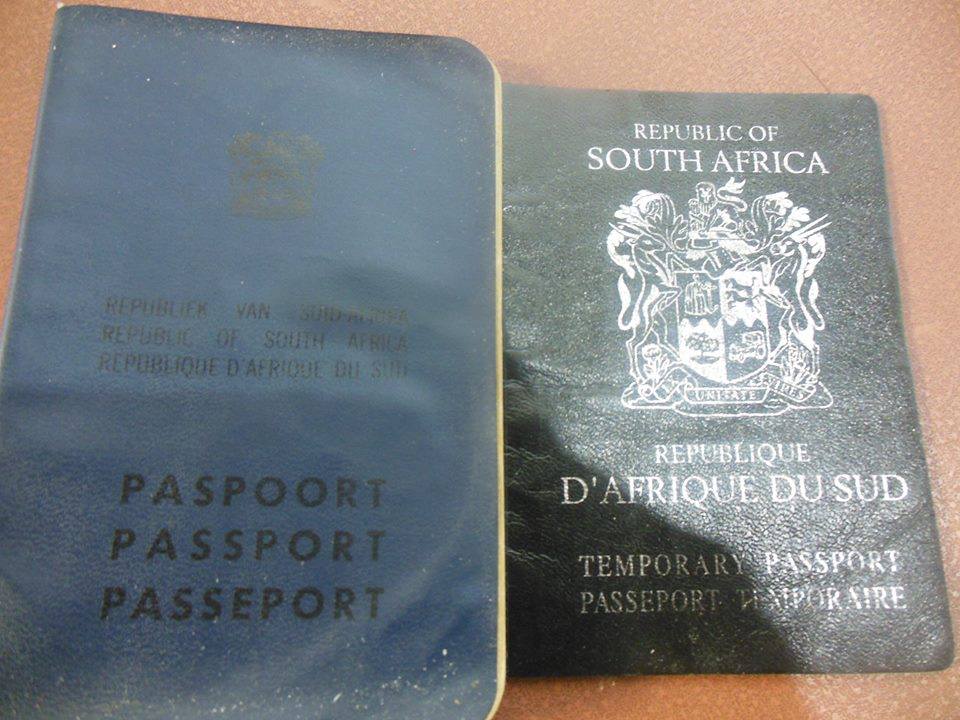
A passport is a document issued by a national government, which certifies, for the purpose of international travel, the identity and nationality of its holder. The elements of identity are name, date of birth, sex, and place of birth.
The Bill of Rights (Chapter 2, section 21) states clearly that freedom of movement and association is a God given right to everyone in South Africa: – “Everyone has the right to freedom of movement. Everyone has the right to leave the Republic.
Ronald Kwenda, a Zimbabwean national living in South Africa for four years, recalls how at first it was so difficult for him to even open bank account as he did not have ‘proper identity’. He had to be paid in cash every month. With the help of a letter from his employer stating that he was a permanent staff member, he was able to eventually get a work permit and an official passport to travel freely in and out of South Africa.
“All I had prior to coming to South Africa was a visa document that expired every six months, requiring me to go back home (Zimbabwe) and justify my intentions to stay in South Africa, and these visas took days and months to get. I am happy to say that I do not have trouble traveling now and staying in the country (South Africa) and working hard for my family and child. I absolutely have no trouble now renewing my passport and visa documentation to stay in the country. I can safely say now that having proper documentation to stay in a particular country is extremely vital. I can also encourage other Zimbabwean nationals in South Africa to follow in my example to approach their places of employment and be honest about the troubles they face and how they can be solved, so that they can work effectively without worries of lack of ‘proper documentation,” said Kwenda.
“I could not have access to a passport then as I was regarded as being ‘state-less’ as we were in Swaziland as political asylum seekers, regardless of us children being born there (Swaziland). The fact that our parents were asylum seekers was enough to exclude us as children to get any travel documents.”
Where Africans are the underdogs, one does wish they would be more camaraderie. A natural inclination to help each other. To build a healthy quantity of African owned businesses in diverse sectors that are not in survivalist mode. If an African gives you a break, trip all over yourself to give superior service so as to shame the stereotype that expects the worst.
Instead of focusing on race, place energies on the right configuration of relationships (networks). There are Africans who will never give business to other African people even if they have the authority. Make peace with it.
Instead of wasting energy being pissed off, direct your focus on communicating with potential clients so that they know what you do. They may not use your services immediately, but continue making your brand top of mind. There are many Africans who are their brothers and sisters keepers. Have gratitude for them.
The freedom to travel that was given to Nelson Mandela in February 1990, should be given to all individuals and communities on the African continent.