It’s bad…
One in forty-one women will receive a diagnosis of cervical cancer in their lifetime. Think of the women in your home, schools, community groups, workplace, and places of worship…
And worse…
That cervical cancer is the cancer women die of most often in our country.
And worst of all…
That these deaths may have been prevented…

It’s Down to You – What Will You Do?
Research has shown that vaccinating girls before they are exposed to Human Papilloma Virus (HPV), is one of the most powerful tools we have to prevent cervical cancer.
Persistent infection with high-risk HPV types, particularly HPV 16 and 18, causes most cervical cancers worldwide.
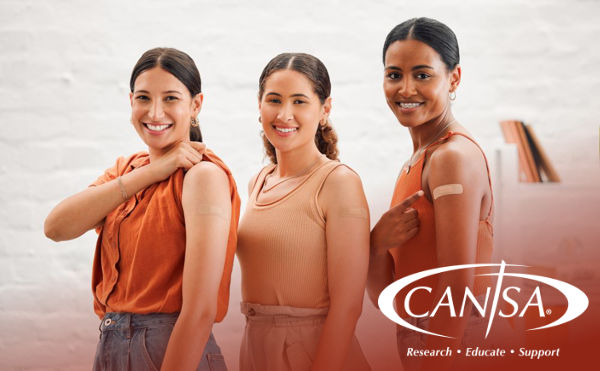
Take hands with CANSA and the Department of Health (DOH) and educate yourself and others around the importance of allowing school going girls to participate in the HPV Vaccination Programme being rolled out in schools nationwide until 27 March 2026.
Free single-dose HPV vaccinations are being administered to eligible girls aged nine years and older in public, private and special (as defined by the DOH) schools.
There are also mechanisms in place to reach out-of-school girls through health facilities and community-based services.
- South Africa has adopted the WHO-recommended single-dose HPV schedule following strong evidence that one dose provides protection comparable to multi-dose schedules in immunocompetent girls aged 9–14 years.
- For those aged 15–20 years, one or two doses are recommended.
- Women living with HIV should receive three doses, or at least two, where three are not feasible.
- The Department of Health will continue to monitor opportunities to introduce next-generation vaccines and, when feasible, extend vaccination to boys.