By Mzukona Mantshontsho
MARCH and MARCH is a South African citizen-led civic movement founded in March 2024 by Jacinta Ngobese-Zuma. It campaigns for stricter immigration enforcement, secure borders, and the prioritization of South African citizens for local jobs and public services.
Core Stance and Actions
Immigration Demands: Advocates for the deportation of undocumented foreign nationals and stricter compliance checks on businesses hiring cheap foreign labour.
Nationwide Protests: March and March organized high-profile national demonstrations, including a prominent mobilization on June 30, 2026.
Controversy and Criticism: Criticized by authorities and human rights groups for stoking anti-immigrant sentiment, vigilantism, and unlawful public gatekeeping.
Recent Developments
Leadership Threats and Violence: Experienced heightened tensions following the fatal shooting of Gauteng leader Andile Mvuyelwa Somgxada in July 2026.
Story and Leadership
March and March emerged as a grassroots citizen movement addressing growing concerns about undocumented immigration in South Africa.
Citizen Advocacy for Immigration Reform
March and March is a citizen-led movement advocating for stronger immigration enforcement and protecting opportunities.
Citizens First. Accountability Always
March and March is there to protect South African citizens, enforce the rule of law, and restore accountability through firm action, responsible governance, and the empowerment of communities. Our mission is rooted in fairness, national integrity, and a commitment to a future that serves those who call South Africa home.
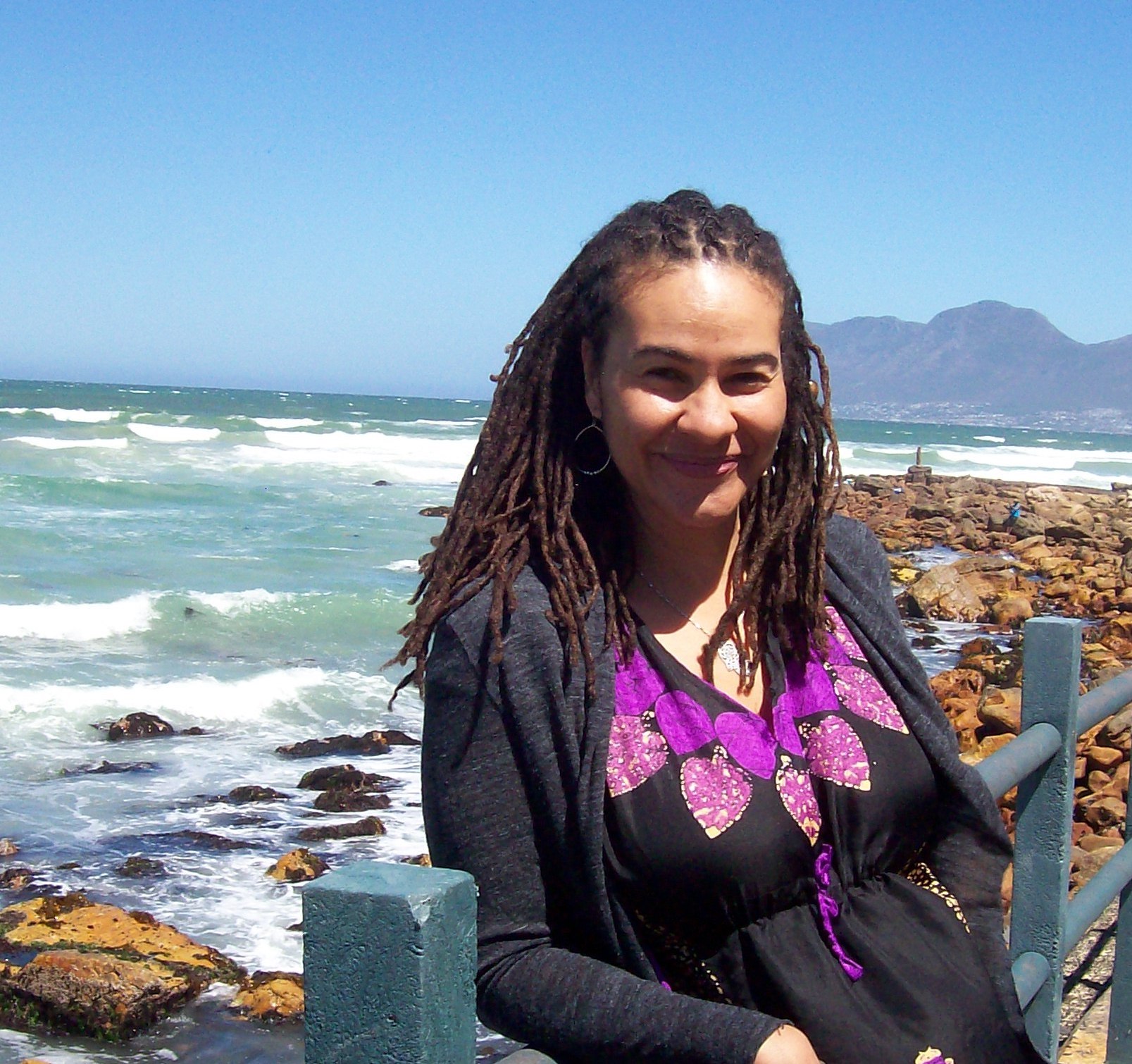
I spoke to Dr. Melissa Tandiwe Myambo, an author, academic and aerobics instructor. She is a close follower of UK and US politics and focuses on migration, inequality and globalisation, although her interests span political economy to urban space to sociology.
Dr. Myambo was a researcher at the Southern Centre for Inequality Studies at the University of the Witwatersrand, but based in Dakar, Senegal.
Dr. Myambo was a Vice-Chancellor’s Postdoctoral Research Fellow at the University of Cape Town, where she taught in the sociology department and then a Mellon Postdoctoral Fellow and Visiting Assistant Professor in the International Institute at the University of California, Los Angeles, where she taught in the Department of Comparative Literature and the International Development Studies program.
She was a Fulbright Fellow in Delhi, India, at the Center for the Study of Developing Societies; this was after earning her PHD in Comparative Literature from New York University.
The tensions that we now see between South Africans and other Africans!
“South Africans right now are viewed across Africa and the world as the “bad guys.” The blatant xenophobia and Afrophobia of those targeting migrants, undocumented and documented, is a classic case of “scapegoating” akin to what happened in Europe against the Jewish population. The rhetorical and actual violence shown towards migrants is disgraceful and frankly, South Africans should be ashamed of themselves.
Yes, migrants should have correct documentation but that is the government’s job. Unfortunately, South Africans have lost trust in government because of widespread corruption. Ironically the problems South Africans are faced with are not the fault of migrants but rather the government, private sector and an unequal society. The problems are real; the “solution” – vilifying migrants – will not work to achieve a better South Africa for all those who live in it”, says Dr. Myambo.
Anti-undocumented immigration activists in South Africa!
“Why are these “activists” as you call them angry with the migrant worker? Surely their anger should be aimed at the employer who has hired that migrant? Many employers (not all) exploit migrant workers by paying them less than they should. This is again a problem that the government must fix by a) documenting migrants so they have full rights so their labour cannot be exploited at the expense of the South African worker and b) helping the youth to find gainful employment by promoting economic growth,” adds Dr. Myambo.
South Africa and the rest of the African continent
“South Africa does not carry the heaviest burden. Uganda, Chad, Ethiopia and Sudan are traditionally the African countries which host the most refugees. It is important to distinguish between migrants and refugees. South Africa is a prime destination country for migrants. Despite much xenophobic rhetoric from the US to Europe to South Africa, migrants help to grow economies and South Africa, being a destination country for many migrants (as opposed to refugees) has benefited economically from that influx. The problem again comes back to government and their inability to address the fundamental socio-economic inequality which negatively impacts the average South African,” says Dr. Myambo.
Are we Xenophobic as South Africans?
“Umuntu ngumuntu ngabantu. I think people everywhere should follow this philosophy. South Africans have real problems. So do the citizens of other African countries. South Africans have misidentified immigrants as the problem instead of holding the real villains accountable – failed and corrupt government, a corporate sector more focused on exploitation than social justice, a historical legacy of inequality which must be redressed. Xenophobia is not the correct path.
“I repeat: umuntu ngumuntu ngabantu. And that includes all people of all races, ethnicities, religions, nationalities and immigrants whether from Europe or other African countries, with or without the correct documentation. We are all people. Most of us are just trying to do our best,” says Dr. Myambo.
“South Africa’s biggest problem is fundamental, profound and corrosive socio-economic inequality. Historically, apartheid meant that South Africa’s riches were for the white minority. Since 1994, the corrupt ANC government has failed miserably at redistributing resources and rebalancing the economy so that all South Africans benefit from the country’s wealth. South Africans are fed up and frustrated with the bleak economic outlook, poor service delivery and huge levels of unemployment. This frustration has been misdirected. It’s easy to blame foreigners but the real problems are more complex and abstract. South Africans need a government that can deliver for them,” concluded Dr. Myambo.
Dr. Melissa Tandiwe Myambo is the Creative Director at SimpleSolutions. Links to her writings can be found on her website www.homosumhumani.com, or you can read her politics newsletter at https://bourgeoismarxist.substack.com/.