
The criminalisation of same-sex couples in West Africa; a new data portal tracking genetically modified crops across Africa, released a month before a report showed how Africa’s hunger levels had overtaken Asia’s for the first time; and the council tasked with fighting gender-based violence in South Africa.
We are also unpacking data colonialism and how the European Union’s new data demands on imports from Africa mean exporters need to prove their sustainability.
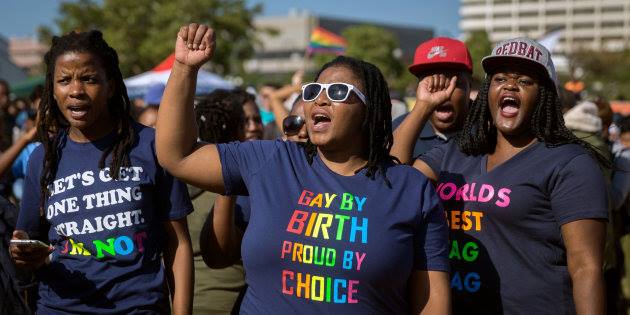
In 2026, Senegal increased the prison sentence for sexual acts between same-sex couples to up to ten years.
It also criminalised the “promotion”, public representation and financial support of the LGBTQ+ community.
They are not the only country to do so. According to The Minority RoundUp, “Niger, Mali and Burkina Faso have also criminalised same-sex relationships in recent years” in the name of so-called “family values”.
In May, Ghana’s parliament passed a bill criminalising LGBTQ+ identity and activity. If signed, people identifying as lesbian, gay, bisexual or transgender could face up to three years in prison.
Promoting, sponsoring or supporting LGBTQ+ activities could result in three to ten years in prison. Thirty-three countries in Africa have laws where lesbian, gay, bisexual and transgender people are criminalised, according to data from the Human Dignity Trust.

LGBTQ+ in West Africa



Nyakaza Media Solutions - Yo School Magazine
Nyakaza Media Solutions, founded to empower schools, helps learners research, write, and publish newsletters, bulletins, and maintain websites. With a mission to promote dialogue on issues affecting young people, the organisation encourages learners to celebrate excellence, embrace growth, and strive for greatness. Nyakaza Media Solutions aims to foster better individuals and future South African leaders through positive and productive behaviour.