By Mzukona Mantshontsho
Nearly 2.7-billion people, about one in three worldwide, could not afford a healthy diet in 2025, according to the United Nations’ State of Food Security and Nutrition in the World 2026.
Africa has the highest share of any region: about two-thirds of its people, roughly a billion, could not afford a healthy diet.
The report points to rising food prices, conflict, economic inequality and more frequent climate extremes. At the same time, the Food and Agriculture Organization (FAO) estimates that about 13% of the world’s food is lost between harvest and sale.
The UN found that households, retailers and food services waste a further 19% of food available to consumers. On Friday, October 16, the FAO marked World Food Day under the theme “Innovate today. Nourish tomorrow.” But saving wasted food won’t feed families who cannot afford to buy it.
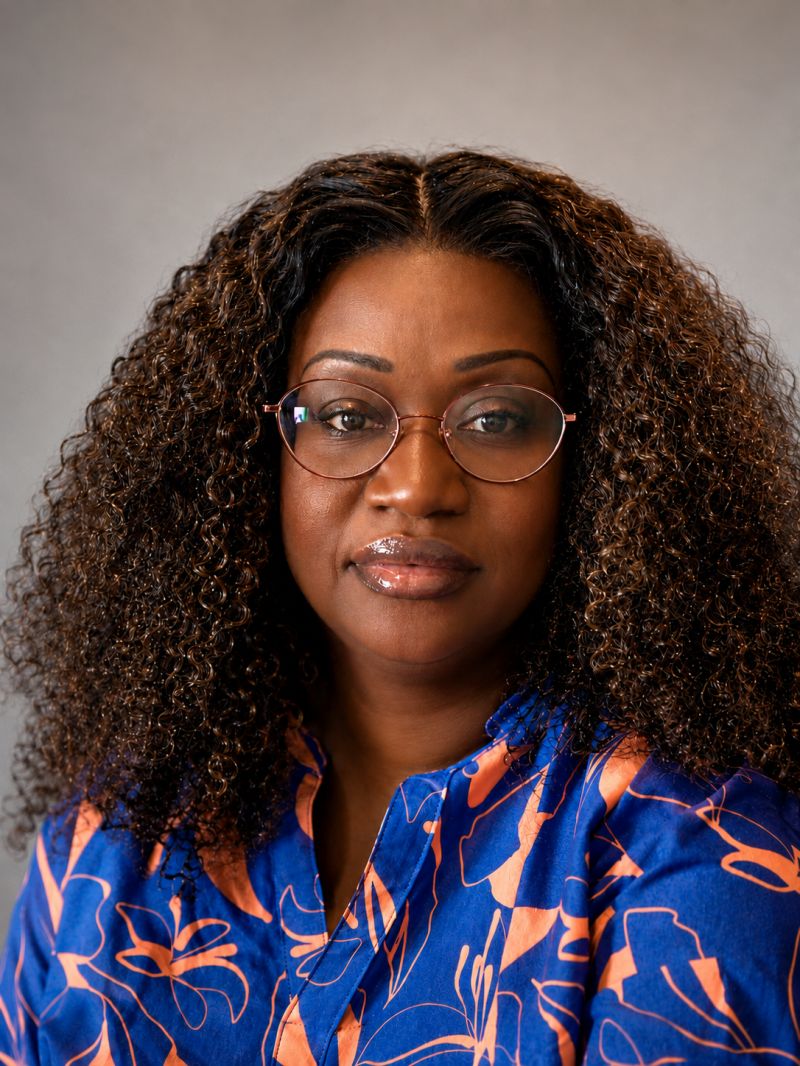
I spoke to Hadiara Marou Souley, an international development, public health, and community nutrition specialist with nearly 16 years of experience in the design, management, and implementation of humanitarian and development programs across West Africa and Europe.
Throughout her career, she has held senior leadership positions with leading international humanitarian organisations, including World Vision International and Save the Children. In these roles, she provided strategic leadership and oversight of multi-sectoral programs covering nutrition, health, water, sanitation and hygiene (WASH), food security, livelihoods, education, savings groups, and social and behaviour change (SBC) interventions. Marou Souley has extensive experience managing donor-funded programs, including nine years working on initiatives supported by the USAID. She notably led the USAID Advancing Nutrition project in the Maradi and Zinder regions of Niger, contributing to improved nutrition outcomes for children under five as well as pregnant and lactating women.
Recognised for her strong leadership, team management, and partnership-building skills, she has successfully led diverse teams and coordinated complex development programs in challenging environments. Her expertise includes strategic planning, program management, monitoring and evaluation, capacity strengthening, budget oversight, stakeholder engagement, and organisational leadership. Currently based in Belgium, she applies her multidisciplinary expertise to advancing sustainable development, environmental governance, resource management, and community resilience. Her professional journey reflects a deep commitment to improving the well-being of vulnerable populations and promoting sustainable solutions to humanitarian, nutrition, and environmental challenges.
She holds a Master of Public Health in Human Nutrition from Université Senghor, Egypt, a Master of Environmental Sciences with a specialisation in the Water-Energy-Food Nexus from Université de Liège and UCLouvain, and a Bachelor’s degree in Public Health Sciences. She is also trained as a bioengineer with expertise in sustainable development and environmental management.
How bad is the situation in Africa in terms of a healthy diet for our children and households? How does this challenge affect our children specifically?
In my view, the situation in Africa is deeply concerning because the problem is not simply whether food is available. It is also about whether families can consistently access food that is healthy, varied and nutritious.
FAO data published in 2026 show that, in 2025, 66.6% of Africa’s population could not afford a healthy diet. This means we need to look beyond visible hunger: families may eat every day without meeting their essential nutritional needs. (FAO, SOFI 2026)
In the contexts where I have worked, particularly in Niger, nutrition challenges need to be understood within the realities people face. Household poverty, regional instability, humanitarian crises, the cost of food and limited access to health services can combine and leave families vulnerable over the long term. It is not enough to raise awareness about healthy eating if people simply cannot afford the food they need.
Our children bear the heaviest burden of these deprivations. During the first years of life, inadequate or unbalanced nutrition can compromise their growth, cognitive development and health. Malnutrition can also make children more vulnerable to infections and affect their learning. These consequences do not affect children alone; they can also shape the future prospects of families and communities.
My experience in humanitarian and nutrition programmes, particularly in Niger, has taught me that the practical conditions for accessing food are essential to any intervention. It is not enough for food to be available: it must also be stored, transported and distributed safely, and the people who need it must actually be able to benefit from it.
In areas with established markets, participating businesses and organisations able to collect and distribute food, recovery schemes can be organised. In places affected by insecurity, long distances, a lack of cold-storage facilities or disrupted supplies, the challenges will be greater.
I would favour a phased approach: start in a clearly defined area, bring on board a small number of willing retailers and food-service businesses, identify the recipient organisations, establish a food-safety protocol, and measure the quantities actually redistributed and the number of people reached. The results can then help determine whether the scheme should be expanded.
One important limitation must be kept in mind: surplus food is neither a guaranteed, regular resource nor a sufficient answer to hunger. It can help meet some immediate needs, but it cannot replace policies that make healthy food affordable for households.
In my view, the goal is to turn avoidable food loss into a useful food resource while protecting beneficiaries’ dignity and their right to healthy food. To achieve this, solidarity must be backed by sound organisation, lasting partnerships and a genuine understanding of people’s nutritional needs.
The wastage of food by retailers and food services, what can be done to get the wasted food to the needy? Is it doable, realistically, from your humanitarian work you have done in the past?
I believe redistributing surplus food is a practical way to address both food waste and food insecurity. However, it can only work sustainably if it is organised as a genuine system of solidarity, rather than simply collecting unsold food.
For retailers, supermarkets and food-service businesses, the first step is to identify food that is still safe to eat but is likely to be thrown away, and then arrange for it to be collected and delivered to charities, community organisations and food-aid services. This requires clear partnerships, suitable logistics, prompt collection and strict rules for storage and food safety. The FAO and the European Commission recognise the redistribution of food that is still fit for consumption as a relevant way to reduce food waste. (FAO; European Commission)
Is this realistic and feasible in Africa? Yes, but the approach must be adapted to the realities of each area.
My experience in humanitarian and nutrition programmes, particularly in Niger, has taught me that the practical conditions for accessing food are essential to any intervention. It is not enough for food to be available: it must also be stored, transported and distributed safely, and the people who need it must actually be able to benefit from it.
In areas with established markets, participating businesses and organisations able to collect and distribute food, recovery schemes can be organised. In places affected by insecurity, long distances, a lack of cold-storage facilities or disrupted supplies, the challenges will be greater.
I would favour a phased approach: start in a clearly defined area, bring on board a small number of willing retailers and food-service businesses, identify the recipient organisations, establish a food-safety protocol, and measure the quantities actually redistributed and the number of people reached. The results can then help determine whether the scheme should be expanded.
One important limitation must be kept in mind: surplus food is neither a guaranteed, regular resource nor a sufficient answer to hunger. It can help meet some immediate needs, but it cannot replace policies that make healthy food affordable for households.
In my view, the goal is to turn avoidable food loss into a useful food resource while protecting beneficiaries’ dignity and their right to healthy food. To achieve this, solidarity must be backed by sound organisation, lasting partnerships and a genuine understanding of people’s nutritional needs.
What are some of the barriers to getting the food to the needy? I would really appreciate some examples?
There are many obstacles to getting food to people in need. My experience of humanitarian programmes in West Africa has led me to see that the main challenge is not simply having food available, but getting it to the right place, at the right time, and to the people who genuinely need it.
The first obstacle is insecurity. In areas affected by conflict, roads can become dangerous or inaccessible. In Niger, particularly in the Tillabéri region, the World Food Programme reported in 2025 that access constraints had prevented thousands of beneficiaries from being identified and had delayed food distributions. Security challenges can therefore leave people without assistance even when they have been identified as vulnerable. (WFP, Niger country report, June 2025)
The second obstacle is infrastructure and logistics. In some rural areas, poor road conditions, long distances, transport difficulties and a lack of suitable storage facilities make it harder to move food. For example, a community organisation may collect fresh produce from a retailer, but if a vehicle is not available in time or the cold chain is broken, the food may become unsafe before it reaches the people it is meant to help.
The third obstacle is a lack of funding. Delivering food requires money for fuel, transport, staff, storage and distribution. In March 2025, the World Food Programme warned that funding shortfalls threatened food assistance for millions of people in the Sahel and Nigeria. When resources shrink while needs increase, organisations may have to distribute less food or focus assistance on the most urgent cases. (WFP, 7 March 2025)
The fourth obstacle is identifying beneficiaries and reaching people in remote areas. Organisations need to establish who needs assistance, where people are located and how to reach them without excluding the most vulnerable households. Population displacement, missing documents, outdated information and coordination challenges can make this difficult.
The fifth obstacle is coordination between different actors. Retailers, food-service businesses, charities, local authorities and humanitarian organisations may not have the same capacity or procedures. Without clear coordination, food can be lost, distributed too late or sent to organisations that cannot store it properly.
Finally, we must take account of dietary practices, nutritional needs and the dignity of beneficiaries. It is not enough to distribute whatever food is available: it must also meet the needs of families, particularly young children, pregnant women and other vulnerable people.
For me, the answer lies in a coordinated approach that fits the local context: working with reliable local partners, organising realistic distribution routes, ensuring food safety, providing suitable transport and storage, and tracking both the quantities distributed and the people actually reached.
Humanitarian work shows that success is not measured only by the volume of food collected or shipped, but by whether useful, safe and appropriate assistance reaches the people who need it.
It was World Food Day on Friday 16 October, what can countries, retailers, and food service providers do to help our needy children and households, to alleviate the food wastage and hunger across Africa?
On World Food Day, I believe we need to move beyond awareness-raising and put practical, coordinated and measurable action in place. We cannot accept that food which is still safe to eat is thrown away while children and families struggle to access nutritious food.
Governments have a crucial role to play. They can introduce national strategies to prevent food waste, make it easier to donate food to food-aid organisations, clarify liability and food-safety requirements, and support organisations able to collect and redistribute surplus food. They should also invest in storage, preservation and transport infrastructure, especially in areas where food is lost before it reaches the market. The FAO recommends action across the food chain, prioritising prevention before surplus recovery. (FAO)
Retailers, supermarkets and food-service professionals can also act straight away. I would encourage them to measure how much food is thrown away, improve stock and ordering practices, forecast demand more accurately, and establish regular partnerships with food banks and local charities. Food that is still safe to eat could then be redistributed under procedures that protect its quality and safety.
In Africa, this approach must be adapted to local conditions. In some areas, priorities may include preserving harvests, improving storage and reducing post-harvest losses. In urban centres, collecting unsold food from markets, shops and restaurants may offer an additional solution. The approach should be based on local needs, available logistics and the communities that need to be reached.
It is from this perspective that I support an integrated approach: making better use of available food resources, supporting vulnerable communities and strengthening the systems that help people access healthy food sustainably.
However, I do not believe that redistributing surplus food can solve hunger on its own. It should complement food-security, nutrition and social-protection policies, not replace them.
For me, real progress means moving from one-off initiatives to lasting systems with measurable goals: less food wasted, more safe food redistributed, and better access to nutritious food for vulnerable children and families.
Efforts to tackle food waste should become a means of strengthening solidarity and transforming food systems, without losing sight of the ultimate goal: ensuring that everyone has access to sufficient, healthy food with dignity.
The food lost between harvest and sale, what can be done to improve the situation?
Food losses between harvest and sale are a major food-security challenge in Africa. They represent not only food that is lost, but also income for producers and the resources used to grow that food.
According to the FAO, 13.3% of food produced worldwide was lost between harvest and retail in 2023. This is a global estimate, not a rate that applies uniformly across all African countries. The causes vary according to the type of produce, the area and the infrastructure available. (FAO, SDG indicator 12.3.1)
Several factors can contribute to these losses: unsuitable harvesting methods, a lack of storage facilities, exposure to heat and moisture, damage caused by insects and rodents, transport difficulties and limited access to markets.
To improve the situation, I believe action is needed on several fronts.
First, producers need stronger skills and support in harvesting, sorting, drying, packaging and storage. For example, for grain, appropriate drying methods and airtight storage systems can reduce losses caused by moisture and pests, provided they are used correctly.
Second, investment is needed in infrastructure suited to local conditions: clean, well-ventilated storage facilities, preservation equipment, cold rooms where appropriate, and transport that can get perishable goods to market quickly. Shared storage and transport arrangements among producers can also help reduce costs.
Another important step is to improve how produce is marketed. When producers cannot find buyers at the right time, food that is still fit for consumption may spoil or have to be sold at very low prices. Cooperatives, agreements with buyers and local processing can help producers obtain more value from their harvests.
Finally, public authorities, producer organisations, agri-food businesses and development partners need to work together. Technical solutions will only be sustainable if producers can afford them, use them properly and benefit economically.
My approach is therefore to see food loss as an economic, environmental and nutritional issue. The goal is not simply to produce more, but to preserve what has already been produced so that more good-quality food reaches consumers and producers can get a fairer return for their work.
The issue of food prices, conflict, economic inequality, and climate change, what can we do as countries, communities, and individual families?
For me, change must begin with an essential recognition: hunger is not only a question of food availability. It is also about access, purchasing power, stability and inequality.
When food prices rise, poorer households are often the first to have to reduce the variety of their meals. When conflict breaks out, people may lose their livelihoods, be displaced or lose access to markets and essential services. And when droughts, floods or other extreme weather events damage harvests, the effects can be felt in producers’ incomes and food prices.
I believe we need to respond to these challenges at three complementary levels.
Governments must create the conditions for sustained access to healthy food. This includes targeted social-protection policies, support for small-scale producers, investment in storage and irrigation, and stronger health and nutrition systems. In conflict-affected areas, humanitarian access to vulnerable populations must also be protected. Responses should reflect each country’s circumstances and be based on reliable data.
Communities must be recognised as active partners in change. Agricultural cooperatives, local organisations, women’s groups and community structures can help improve crop storage, organise group purchasing, establish community gardens and make nutritious food easier to access. Their knowledge of local conditions helps identify realistic solutions suited to available resources and needs.
Families and individuals can also take action, within their means. Storing food properly, reducing household waste, varying meals when different foods are affordable, and choosing local seasonal produce can help make better use of available resources. However, I want to stress that families must not be made responsible for problems they cannot solve on their own. We cannot expect a family to eat better if its income is not enough to buy sufficient food.
My experience in humanitarian and nutrition programmes, particularly in Niger, has shown me how important it is to link emergency assistance with long-term solutions. We must respond immediately to the needs of vulnerable children and families while strengthening communities’ ability to withstand economic, climate-related and security crises.
I believe an integrated approach is particularly important—one that brings together maternal and child nutrition, access to healthcare, support for livelihoods and stronger local food systems. Children should not have to wait for economic hardship, conflict or climate crises to be resolved before they can access food that supports their growth.
Finally, we need to measure progress: changes in the price of nutritious foods, household access to a varied diet, reductions in post-harvest losses, and improvements in children’s nutrition indicators.
Lasting change will not come from a single action. It will depend on governments, communities, businesses and families working together. Our goal must be to build food systems that are more resilient and equitable, so that every child and every family can access healthy food, even during times of crisis.