By Dieketseng Ziyeka
Starting university can be lonely, especially when far from your own home.
A recent study from the University of Cape Town found that 92.6% of students aged 17 to 24 experience high levels of loneliness, depression, and anxiety.
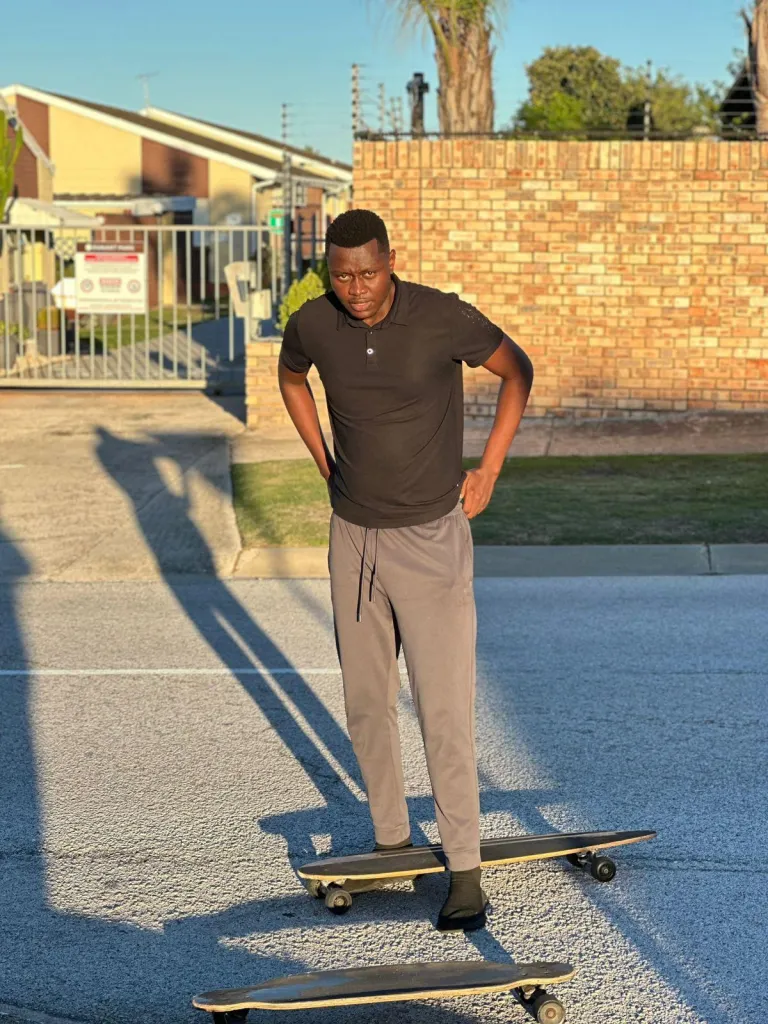
21-year-old Psychology student, Denzel Ramabulana, decided to change that by starting a skateboarding group and building a community through TikTok.
Denzel, who is in his third year, at Nelson Mandela University comes from a large family and tight-knit community in Venda, Limpopo. He said not having anyone at university greatly reduced his confidence, especially in public. He felt unseen, disregarded, and like he did not belong.
“It becomes more depressing when you see a group of friends celebrating small wins or birthdays together; meanwhile, you have no one to do that with,” he says.
Denzel noticed other students sitting by themselves, and conversations with some of them confirmed they felt the same way. So he used his skateboarding talent to make friends and find his own people.

“I was never part of a skateboarding community before, and I never imagined I would become part of one. The roads in our area aren’t paved, and elders consider skating activity dangerous, so I believe these are some of the reasons why you’d never see anyone skating in my hometown,” he says.
Denzel’s confidence grew after he created his own skateboarding community, where he could make new friends. He named the group Cruise Culture and took to TikTok to promote free longboard skating sessions.
“I learned how to skate when I was bored and needed something to cope with my stress. I eventually became so good at it that one day students living in the same street as I saw me and asked me to teach them. Since that day, we began skateboarding together on campus, and that’s how it all started,” he shares.
This caught other students’ attention. They would see Denzel and his friends skate every morning around Summerstrand and the skate park near Kings’ Beach. Soon others brought their skateboards too, and joined the crew.
“It started with just two people skating to campus, to 10 students, and now we are 24. This puzzles me all the time,” he says.
Denzel says the favourite part of Cruise Culture is that it unites people from different backgrounds, helps them become friends, and shows him how people far from home deeply yearn for community.
For many, skateboarding has become more than just a sport; it’s a tool for well-being and connection.The Beyond the Board study, which surveyed over 5,000 skaters, found that skateboarding acts as a stress-relief tool. The intense focus required helps skaters temporarily disconnect from anxiety, depression, and trauma.
Fellow cruise Culture skater and third-year Diploma in Marketing student, Ndalamo Tovhakale, also from Limpopo, says the best part about skating is exploring Gqeberha while riding together. He claims skating helps de-stress and boost his energy levels especially at exam time.
“I study for long hours, so skating during my study breaks really spikes my adrenaline,” Ndalamo says.
Some key benefits of skateboarding include:
- Stress relief: Students use skateboarding to unwind and take their minds off academic pressures.
- Physical activity: It offers a fun and engaging way to exercise, helping students stay active and flexible.
- Improved mood and focus: Many say skateboarding boosts their mood and helps them concentrate better when studying, leading to improved academic performance.
Denzel and his friends have experienced these benefits firsthand, which is why the Mandela University skateboarding community keeps on growing. Cruise Culture promotes their group with online posters making it easier for students to discover it on all social media platforms.
“From skating to school (university), we then decided to skate on weekends as well, around Summerstrand, Humewood, Central and North End. We only chose areas with good, safe roads. The aim was to get a break from academics and spend time together, doing something we all enjoy,” Denzel explains.
He adds, “University-life presents many challenges and temptations, like going to clubs, reckless behaviours, or even being drawn into gangs. For us, skateboarding has become an escape and a safe haven.”
“I would really encourage students to take part in sports; it doesn’t have to be skateboarding, sport is good for both their mental and physical health,” says Denzel.
Tips to start skateboarding
If you are thinking of picking up a skateboard, here are some tips to help you get the wheels rolling:
- Start with the basics: When choosing your skateboard, get a beginner-friendly board with good grip.
- Remember safety above everything: Always wear a helmet, wrist guards and knee and elbow pads.
- Learn the fundamentals: Practice balancing, pushing off, and stopping in a safe, flat area.
- Find a community – Your Crew: Search for a local skateboarding group, club or social media page to connect with other enthusiasts and learn together.
Remember to skate only in permitted areas and be mindful of traffic and other pedestrians.
Above all, have fun and enjoy cruising.
This article was syndicated from Khulani Youth Stories.