By Prof. Busisiwe Mavuso
Overall reform score climbs nearly 24% since tracking began; momentum slows as reforms near completion but electricity sector reversal raises concerns
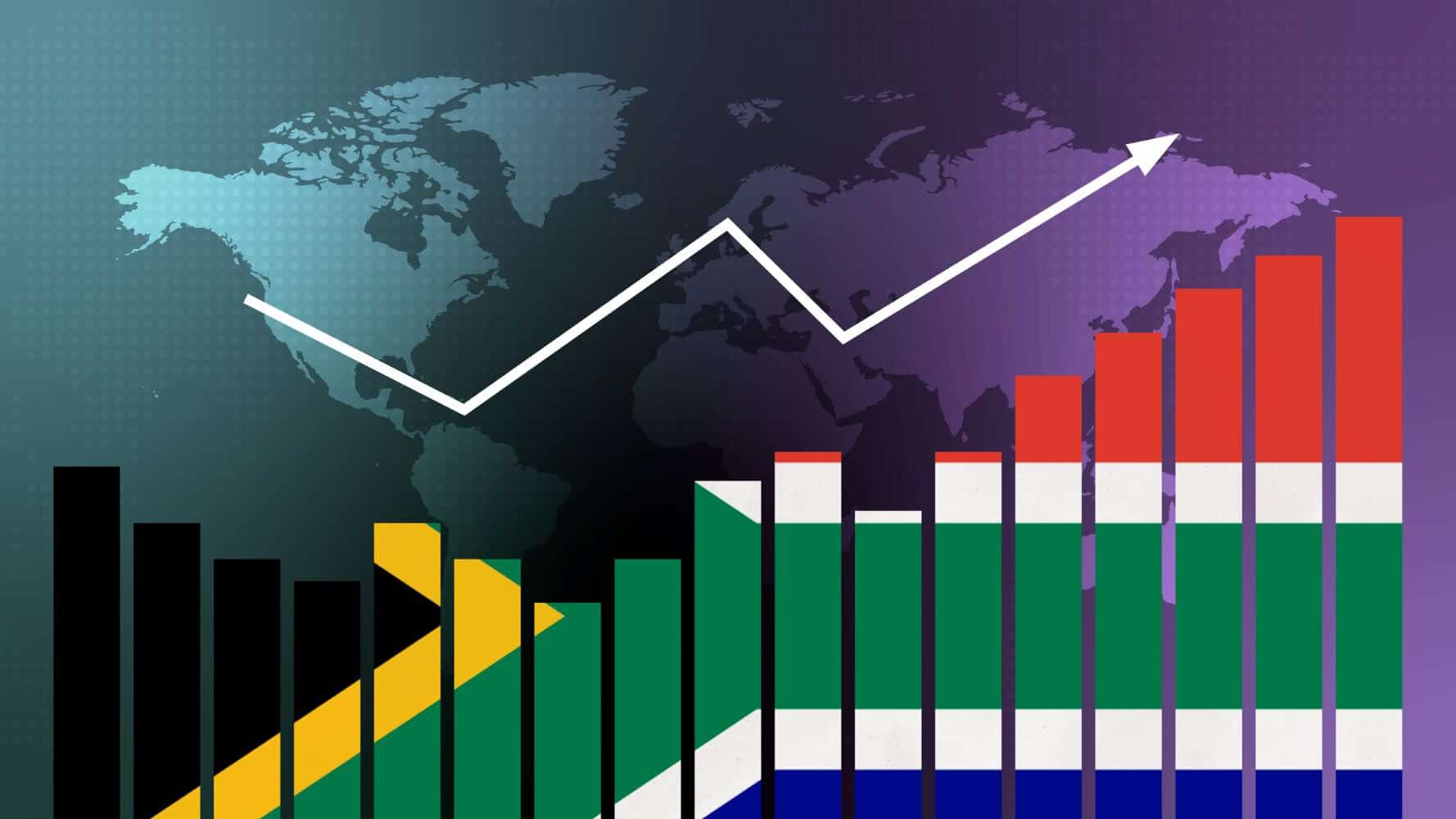
Johannesburg, 5 February 2026 – The second BLSA Reform Tracker Quarterly Review reveals that South Africa’s reform programme continues to advance, with the overall reform score rising 23.7% since tracking began in March 2024. However, the latest quarter shows concerning backwards movement in the critical electricity sector, alongside slower momentum across governance reforms.
The Tracker monitors 245 reform deliverables across criminal justice, governance and economic categories. Of these, 34 have been completed, 19 have been halted, and 192 remain in progress.
“The broad trajectory remains positive – South Africa’s reform agenda is delivering measurable results,” said Busisiwe Mavuso, BLSA CEO. “However, the reversal in electricity sector reforms is deeply concerning. The approved unbundling strategy represents a step backwards from the independent transmission system operator model that Operation Vulindlela, Necom and National Treasury have been working towards.”
Electricity Reforms Move Backwards
The electricity sector’s score has declined over two consecutive periods, dropping from 73.2 points at end-May 2025 to 71.4 at end-December 2025. In December 2025, the Department of Electricity and Energy approved Eskom’s revised unbundling strategy, which keeps transmission assets inside NTCSA (still under Eskom Holdings) and creates a separate Transmission System Operator without asset ownership.
This deviates significantly from the work to establish an independent TSO that supports a competitive electricity market. The new structure means the TSO will be unable to raise capital on its own balance sheet, likely prolonging grid constraints and deterring new renewables rollout.
Additional electricity sector challenges include:
• The Electricity Regulation Act came into effect in January 2025 but with the reticulation section excluded due to municipal opposition
• The national wheeling framework was approved by Nersa but Eskom lodged a legal challenge, limiting licensed traders’ access
Strong Progress in Other Economic Reforms
Despite the electricity setback, other economic reforms recorded significant gains:
Freight logistics (67.6 → 73.9): Turnaround plans showing progress, market reforms gaining traction and private sector participation initiatives advancing.
Spatial inequality (60.2 → 62.2): Improvements in passenger rail line restoration, Prasa operational achievements and movement on housing subsidy reform.
Visas (78.8 → 80.9): Strong progress in clearing the backlog; e-visa now operational for 38 countries, with the points-based system working effectively.
Other infrastructure (48.9 → 73.4): Deeds office reform benefiting from digitisation initiatives, though backlog remains daunting.
Financial sector reforms (82.7 → 83.9): Following a surge in August, follow-up improvements recorded in retirement reform, financial inclusion/deposit insurance and innovation to improve competitiveness.
Water (59.1→ 61.2): Strengthening of regulation of water services advanced with legislation tabled in parliament. However, appointment of the National Water Resources Infrastructure Agency board, initially targeted for December 2025, has not yet occurred as parliament has yet to pass the necessary enabling legislation.
Criminal Justice: FATF Completion
The criminal justice category saw the final completion of FATF reforms (90 → 100), with South Africa’s formal removal from the grey list in the latest period. This typifies the “completion effect” – the 22 reforms required for grey list removal were substantially completed in the previous quarter, with final recognition occurring in this period.
Other criminal justice reforms remain level, but some also reflect the completion effect, with progress made in the previous period.
Governance Reforms Show Mixed Results
Public services (57.3 → 58.3): Improvement driven largely by electoral reform, with the IEC’s conclusion of the public consultation process on e-voting. However, publication of the public consultation findings is behind schedule.
Other governance categories remain flat, with “structure of government” the lowest-scoring out of all Tracker reforms, as the initiative to reduce the size of government has been stalled to facilitate the Government of National Unity.
Reform Momentum Slows but Remains Positive
While the overall score increased 2.3% in the September-December 2025 quarter, reform momentum – the rate of change in reforms’ progress to completion – has declined. This slowdown is driven by a combination of factors:
• Slower implementation of governance reforms
• The “completion effect” whereby strong gains in previous periods are followed by natural slowdowns (such as FATF reforms)
• Expected deceleration as reforms get closer to completion
“Slower momentum is natural as reforms mature and near completion,” said Mavuso. “What matters is that the trajectory remains upward. However, we cannot ignore the concerning reversals in electricity – this sector is too critical to South Africa’s economic future to allow backwards movement.”
Looking Ahead: Key Milestones in Q1 2026
The Tracker anticipates an acceleration in reform implementation in the next quarter, with numerous important deliverables due, particularly in the energy sector but also in water, local government and public sector reforms.
High certainty deliverables expected by March 2026:
• Electricity trading rules finalised (end-March)
• Sawem launch (1 April, ceremonial)
• Electricity distribution industry (EDI) reform roadmap published for comment (by March)
• NWRIA board appointments (by March)
• Green/Blue Drop assessments (by March)
• White Paper on Local Government published (March)
• Public sector bills enacted
Likely deliverables:
•SA Wholesale Electricity Market (Sawem) implementation plan (initially January, delayed to March)
- Network statement version 4 (February)
• Nersa decisions on Eskom settlement (30 January) and generation charges (March)
• Gas masterplan to Cabinet (March/April)
• Maydon Wharf preferred bidder (by March)
• TNPA corporatisation preparatory phase complete (March)
“The next quarter will be critical,” says Mavuso. “We need to see decisive action to get electricity reforms back on track, while maintaining momentum in areas where progress is strong. The Reform Tracker will continue to provide transparent, data-driven accountability for all stakeholders.”
- About The BLSA Reform Tracker
The BLSA Reform Tracker is an online platform that monitors and assesses the progress of key government reforms impacting South Africa’s business environment and economic growth. Accessible at https://tracker.blsa.org.za/, it evaluates reforms across three categories: criminal justice, governance and economic. Each reform is reviewed quarterly and scored based on its progress.
The Tracker was developed over two years by research consultancy Krutham and provides a transparent, evidence-based view of reform delivery in South Africa.
*This report covers a four-month period, September to December 2025, compared with three-month periods previously. The timing was adjusted to align with the state’s fiscal year.
Image: BLSA!