
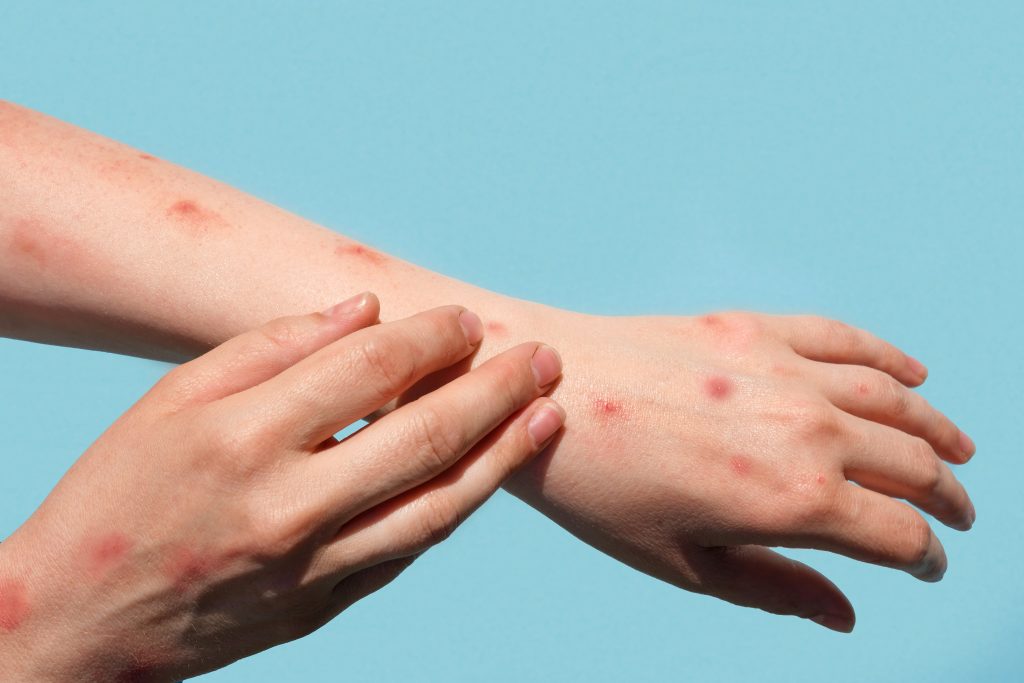
Mpox is a viral zoonosis caused by the monkeypox virus (MPXV), also known as the mpox virus.
Prior to 2022, mpox was rarely reported in humans and was largely confined to parts of West and Central Africa. Since 2022, a global outbreak has resulted in more than 130 000 laboratory-confirmed cases across more than 100 countries.
Diagnosing mpox can be challenging as the differential diagnosis for vesicular rash is broad, presentations may be atypical or mild, and many clinicians have limited prior exposure to mpox due to its historically rare occurrence.
Infectious conditions that can resemble mpox include chickenpox, herpes simplex, syphilis, scabies, measles, bacterial and fungal skin infections, yaws, rickettsial pox, and other poxviruses (e.g., molluscum contagiosum and variola).
Non-infectious causes may include dermatitis herpetiformis, eczema herpeticum, and insect bites.
To better understand the differential diagnosis of suspected mpox in South Africa, the latest article from the Public Health Bulletin of South Africa (PHBSA) reports on a retrospective cohort study investigating other viral causes of vesicular rash among adults who were suspected of having mpox but tested negative.
The analysis included samples submitted for mpox testing to the Special Viral Pathogens Laboratory in the Centre for Emerging Zoonotic and Parasitic Diseases at the National Institute for Communicable Diseases, a division of the National Health Laboratory Service.

Differential viral causes of vesicular rash in adults with suspected mpox in South Africa







Nyakaza Media Solutions - Yo School Magazine
Nyakaza Media Solutions, founded to empower schools, helps learners research, write, and publish newsletters, bulletins, and maintain websites. With a mission to promote dialogue on issues affecting young people, the organisation encourages learners to celebrate excellence, embrace growth, and strive for greatness. Nyakaza Media Solutions aims to foster better individuals and future South African leaders through positive and productive behaviour.