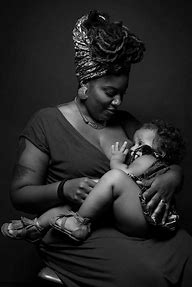
It’s World Breastfeeding Week, and the World Health Organisation is spotlighting the policies and workplace conditions that help women breastfeed.
Breastfeeding is linked to a range of benefits for children, including better cognitive development, protection from infection and reducing risk of obesity, and is associated with lower healthcare costs and productivity gains at a population level.
Data from UNICEF found that only 47% of babies globally are exclusively breastfed.
One of the biggest barriers is what happens when mothers return to work.
A systematic review of 35 studies from low- and middle-income countries found that paid maternity leave was associated with a 52% increase in exclusive breastfeeding.
Without income security, many women stop breastfeeding early once they go back to their jobs.
The WHO also points to a second, related gap: countries with legislation closely aligned with the International Code of Marketing of Breast-milk Substitutes, which restricts how companies can market baby formula, report exclusive breastfeeding rates of 54% on average, compared with just 24% in countries with no such legal measures.