By Mzukona Mantshontsho
The Elephant in the Boardroom is about ethical leadership, courage, and the difficult choices we face when we see something wrong but must decide whether to speak up.
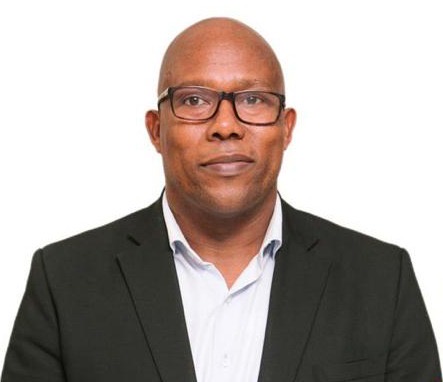
I spoke to Author and Business Executive Sibusiso Nhleko about his personal, professional, entrepreneurial and writing journey thus far
Through my personal leadership journey, I share some of the “elephants” I have had to confront, the price I paid for confronting them, and the lessons I learnt along the way. My hope is that these experiences will encourage others to find the courage to speak up, stand for what is right, and challenge wrongdoing, even when it is uncomfortable.
The book also explores how we can create safe spaces where people feel free to ask questions, share different opinions, and have honest conversations. Whether at school, at work, or in our communities, we all have a responsibility to make the world a better place.
At its heart, the book is also about legacy. It is not only about what we leave behind, but what we build in others, the opportunities we create, and the values we pass on to future generations. Because leadership is not just about what we achieve; it is about the example we set and the courage we inspire in others.
How did your upbringing lead to your journey as a writer, business executive, brother and son?
I come from humble beginnings and was raised by two remarkable women, my mother and my grandmother. My mother raised me as a single parent, and together they instilled in me strong values, a deep faith in God, and a belief that character matters more than status.
My upbringing taught me that success is not just about achieving personal goals. It is also about serving others and making a positive difference in the lives of people around us. I have been fortunate to receive an education and opportunities that many people helped make possible. Because of that, I believe I have a responsibility to use my knowledge and experience to uplift others.
One principle has guided me throughout my life: Do unto others as you would have them do unto you.
Many people have inspired me through their actions, sacrifices, and leadership. Writing allows me to share the lessons I have learnt in the hope that they may encourage others on their own journeys.
Ultimately, I would like to be remembered not only for what I achieved, but for the values I lived by, the people I served, and the positive contribution I made to society.
What is your view of success in entrepreneurship?
I believe entrepreneurship is one of the most powerful tools we have for building stronger communities and a brighter future for Africa. Entrepreneurs see opportunities where others see problems, and they create solutions that improve people’s lives.
Entrepreneurship is about more than money. It is about creating value, solving real problems, creating jobs, and making a difference in society.
At the same time, success should never come at the expense of integrity. In The Elephant in the Boardroom, I discuss issues such as corruption, poor leadership, and the courage required to challenge wrongdoing. These lessons apply equally to business because how we succeed is just as important as what we achieve.
My message to young Africans is simple: do not wait for someone else to create the future you want. Be part of creating it. Look around you. Identify challenges in your community. Think creatively about solutions. Start small if you must but start.
Africa’s future is not something we should wait for. It is something we must build together through courage, innovation, hard work, and ethical leadership.
Tell us about your early life, education and professional journey.
I was born and raised in Eswatini, formerly known as Swaziland. My educational journey began at Bulunga Primary School, followed by Salesian High School.
I later studied for a Bachelor of Arts in Law at the University of Swaziland, followed by an LLB from the University of Natal in South Africa. I subsequently completed a Master’s Degree in Leadership at Leeds Beckett University in the United Kingdom and became an Advocate of the High Court of Eswatini.
My professional journey has taken me across Eswatini, Botswana, Namibia, and South Africa. I have worked in manufacturing, banking, telecommunications, and development-related sectors. Along the way, I have served as a corporate executive, board member, consultant, lecturer, and leadership practitioner.
Today, I serve as a senior executive at MTN Eswatini.
Looking back, every stage of the journey taught me something valuable. My message to young people is that learning never stops. Stay curious, work hard, embrace opportunities, and never underestimate how far determination, discipline, and integrity can take you.
What does your role mean to you?
To me, my role is much more than a title or a job. It is an opportunity to serve, create value, empower others, and contribute to building a better future.
One of the aspects I find most rewarding is the opportunity to support initiatives that empower young people through digital skills, entrepreneurship, and innovation. I strongly believe that young people have the talent, creativity, and potential to transform Africa if they are given the right opportunities and support.
I also serve on boards where I help promote ethical leadership, accountability, and good governance.
At the end of the day, I see leadership as service. Success is not only about what we achieve ourselves, but also about the opportunities we create for others to succeed.
What are the most critical resources for your successful leadership?
I believe successful leadership begins with the right mindset.
That means remaining curious, staying open to learning, and being humble enough to admit that you do not have all the answers. Every person you meet knows something you do not know.
Another critical resource is relationships. Leadership is about people. No meaningful achievement happens in isolation. Building trust, listening to others, and working together are essential.
Equally important are values. Integrity means doing the right thing even when nobody is watching and remaining faithful to your principles even when there is a cost attached.
My philosophy is simple: service above self. Leadership should be about creating opportunities for others, helping people reach their potential, and using our influence to make a positive difference.
What can we expect from your writing journey?
Readers can expect thought-provoking ideas, engaging stories, and honest conversations about issues that affect our communities, businesses, and leadership.
I want my writing to encourage people, especially young people, to ask difficult questions, challenge assumptions, and find the courage to speak up when something is not right.
I am also passionate about discussing how technology can be used to create opportunities, solve social problems, and improve lives.
Writing has become a genuine passion. I have definitely caught the writing bug and look forward to sharing more lessons from my personal and professional journey through future books and publications.
My greatest hope is that my writing inspires people not only to think differently, but to take action and become part of the change they want to see in the world.
What are your words of advice for young people, particularly women, who want to start community projects or small businesses?
My message to young people, especially young women, is simple: believe in yourself, dream boldly, and have the courage to take the first step.
You do not need to have everything figured out before you begin. Start where you are. Use what you have. Learn as you go. Do not be afraid of failure because failure often teaches us lessons that success cannot.
Find mentors who can guide and encourage you. Learn from people who have already travelled the road you would like to walk.
I also believe strongly in collaboration. Build meaningful relationships, ask questions, seek support, and do not be afraid to learn from others.
Many of Africa’s most successful businesses started with a simple idea and a determined individual who refused to give up.
Remember this: you do not need permission to make a difference. Your idea may seem small today, but with courage, dedication, and persistence, it can grow into something that changes lives.
What are your thoughts on COVID-19 and what should business owners do if another pandemic were to occur?
COVID-19 taught us that the world can change very quickly. While many businesses faced significant challenges, it also revealed the resilience, creativity, and innovation of entrepreneurs.
If another pandemic or major crisis were to occur, business owners would need to focus on adaptability, technology, and financial discipline.
Businesses that embraced digital tools, online platforms, and new ways of engaging customers were often able to survive and even thrive during uncertain times.
I would also encourage entrepreneurs to diversify their income streams and avoid depending on a single product, service, or customer base.
Most importantly, invest in people. Businesses are built by people, and organisations that supported their employees and customers during difficult times often emerged stronger.
The lesson is simple: don’t only prepare for success. Prepare for uncertainty as well.
What is the legacy that you want to leave behind for future generations?
I hope to leave a legacy of courage, service, integrity, and positive impact.
I want future generations to know that it is possible to achieve success without compromising your values and that doing the right thing is always worth pursuing, even when it comes at a personal cost.
I would like my work, leadership, and writing to inspire young people to believe in themselves, speak up against wrongdoing, and use their talents to make a difference.
Above all, I hope to leave behind opportunities. Opportunities for young people to learn, grow, create businesses, develop skills, and build brighter futures.
In the end, our legacy is not measured only by what we own but by the lives we touch and the people we empower.
How does your work directly contribute to the community?
My work contributes to the community by encouraging courageous conversations, celebrating African role models, and helping young people realise their potential.
I am passionate about empowering young people with digital and entrepreneurial skills because I believe technology can be a powerful force for good. Young Africans should not only consume technology; they should use it to solve problems, create businesses, generate employment, and improve their communities.
I am also passionate about promoting ethical leadership. Ethical leaders inspire trust, create opportunities, and help build stronger institutions.
Ultimately, my goal is to contribute to a society where young people have access to opportunities, where leaders serve with integrity, and where communities can thrive.
For me, success is not just about what we accomplish today. It is about building stronger communities and creating opportunities for future generations.
What have been your highs and lows?
Like most people, my journey has included both successes and setbacks.
One of my proudest achievements has been the opportunity to serve in senior leadership roles, contribute to organisations, write my first book, and create opportunities that have benefited others.
At the same time, I have experienced failures in business and moments of disappointment. Those experiences taught me resilience and helped me grow.
One lesson that has stayed with me dates back to my high school years. Some friends invited me to join them after school. When I arrived, I realised they were preparing to smoke dagga. At that moment, I knew I had a choice to make. I quickly found an excuse, left, and ran back to school.
That experience taught me the importance of choosing friends wisely. The people around us can influence the choices we make and, ultimately, the direction our lives take.
Another challenge has been confronting what I call “the elephants in the room” – speaking up when something is wrong and standing for what is right. As I share in my book, doing the right thing is not always easy, and it can come with consequences. However, those experiences strengthened my character and convictions.
My highs have taught me gratitude, and my lows have taught me resilience. Together, they have shaped the person I am today.
When you’re not at work, what do you get up to, and where can people follow your work and purchase the book?
When I am not at work, I enjoy serving as a pastor in my local church. It is one of the most rewarding aspects of my life because it allows me to encourage, mentor, and support people in my community.
I also enjoy jogging, reading, spending time with family and in nature, and checking on my livestock. These activities help me relax, reflect, and maintain balance in a busy life.
Young people are often surprised to hear that leaders also need time to recharge! I believe balance is important because it supports our physical, emotional, and spiritual well-being.
People can follow my work, leadership insights, and writing journey on LinkedIn and Facebook.
My book, The Elephant in the Boardroom: The Silent Killers of Good Governance will be available through selected bookstores and online platforms. Information regarding availability and purchase details will be shared during the official launch.
I look forward to connecting with readers and continuing the conversation about courage, ethical leadership, entrepreneurship, and building a better future.
Final Message to Young People
To every young person reading this: never underestimate your potential.
Your circumstances today do not determine your future. Start where you are. Use what you have. Keep learning. Keep growing.
Do not be afraid to dream big, ask questions, take positive risks, and stand up for what is right. The entrepreneurs, innovators, leaders, and changemakers that Africa needs are sitting in classrooms today.
Believe in yourself. Be courageous. Serve others. And never stop learning. The future is waiting for you, and it may be brighter than you can imagine.