By Mzukona Mantshontsho
TechnoAfrika is the belief that every child deserves an opportunity to explore, understand and participates in Science, Technology, Engineering and Mathematics (STEM), regardless of where they come from or the resources available at their school.
TechnoAfrika makes learning practical, exciting and accessible through hands-on science activities, robotics, coding, engineering challenges and interactive experiences.
TechnoAfrika does more than teach science: we create opportunities for young people to discover their abilities, develop confidence and see themselves as future technocrats, future scientists, engineers and innovators.
What is your view in terms of success in entrepreneurship?
At TechnoAfrika, we believe successful entrepreneurship begins with passion, identifying a genuine need, and having the skills required to provide an effective solution. It takes courage to start a business, but discipline, consistency, resilience, and continuous learning are what help it grow. A successful business must be able to generate income and remain financially sustainable. However, we do not measure success by profit alone. We also consider the value the business creates, the people it serves, the problems it solves, and the positive impact it makes in the community. A good idea is only the beginning. Commitment, proper execution, innovation, and adaptability are what turn that idea into a meaningful and sustainable enterprise. This is why TechnoAfrika is committed to developing young technocrats who think outside the box and use their skills to create solutions and economic opportunities.
What does your role mean to you?
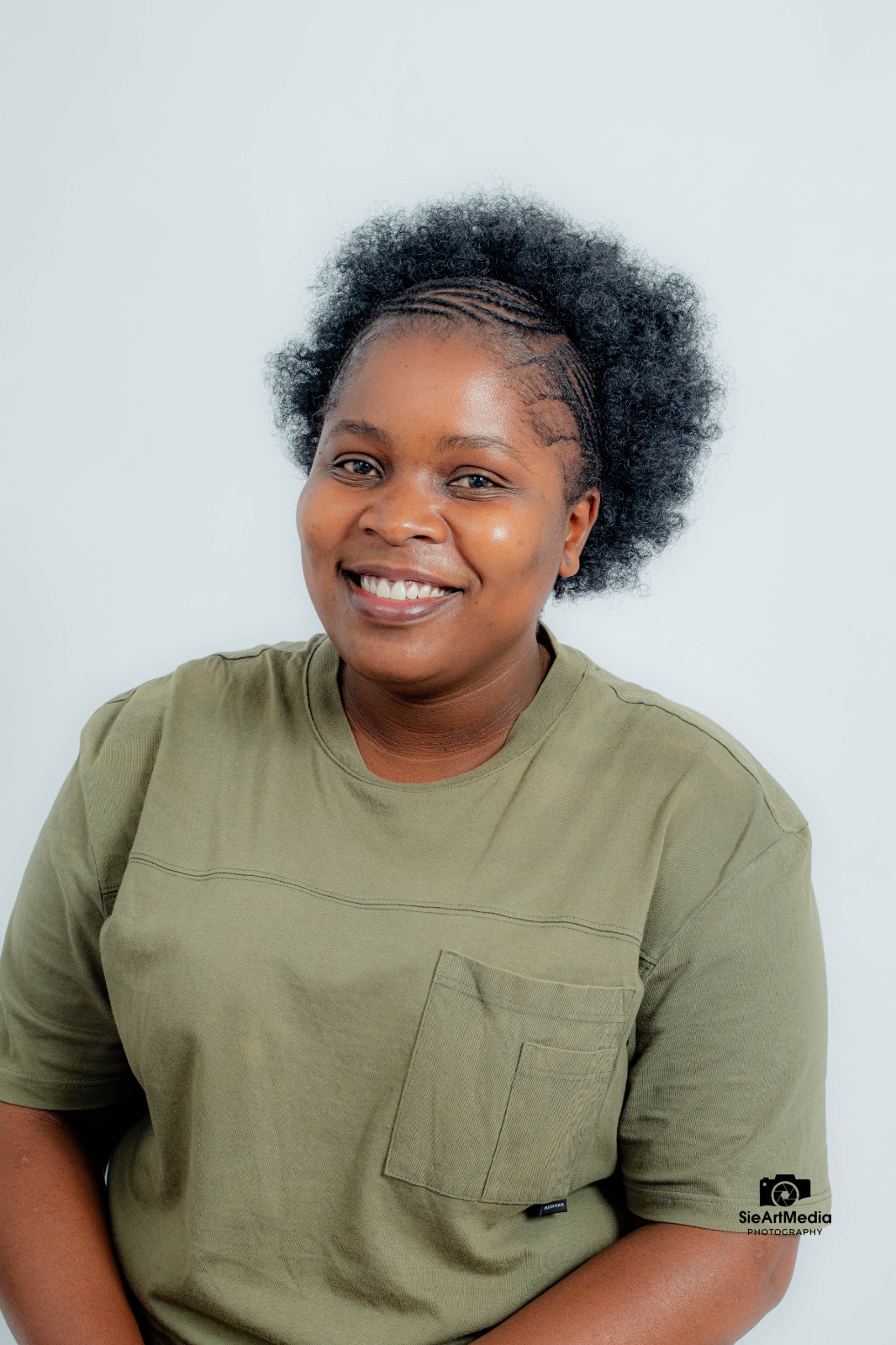
My role as Assistant Science Centre Manager and Science Programme Manager means much more to come than a job title. It allows me to use my technical knowledge, leadership skills, and passion for education to create meaningful learning opportunities for young people. I want learners to understand that science does not exist only in textbooks or laboratories. It is part of everyday life and can be used to solve real problems in their communities. The most meaningful part of my role is helping learners from under-resourced schools gain access to practical STEM experiences that they might otherwise not have. This is at the heart of TechnoAfrika Discovery Centre’s mandate: making science and technology accessible, relevant, and inspiring while developing the next generation of innovators and problem-solvers.
What are the most critical resources for your successful leadership?
For me, the most critical resources for successful leadership are people, knowledge, adequate resources, and strong partnerships. A committed and capable team is essential because meaningful work cannot be accomplished by one person alone. As a leader, I must empower team members, recognise their strengths, and ensure that everyone understands the shared vision. Continuous learning is also important because leaders must remain open to new ideas and better ways of working. In our environment, access to science equipment, learning materials, technology, suitable facilities, and sustainable funding enables us to turn programme ideas into practical STEM experiences for young people. Partnerships with schools, businesses, government, universities, and community organisations are equally valuable because they bring additional expertise, resources, and opportunities. Above all, clear vision, integrity, effective communication, accountability, and resilience are what keep the team focused and the work moving forward.
What can we expect from you going forward since you started?
Going forward, people can expect me to remain committed to expanding access to quality, practical STEM education while continuing to grow as an innovative science centre practitioner and leader. I want to see more learners and schools benefiting from science engagement, robotics, coding, engineering, renewable energy, and other hands-on learning opportunities. I also want to help strengthen TechnoAfrika as an interactive STEM hub where young people can explore, create, experiment, and develop solutions to real-world challenges.
My focus will be on developing programmes that are inclusive, impactful, and sustainable. I also want to play an active role in advancing TechnoAfrika’s vision by supporting strategic management in establishing the organisation as a world-class science centre that connects science and technology with learners and communities.
Most importantly, I want to play an instrumental role in advancing TechnoAfrika’s vision. I am committed to supporting the strategic leadership of the organisation in establishing TechnoAfrika as a world-class science centre that connects science and technology with learners and communities. My long-term aspiration is to help position TechnoAfrika as one of the province’s leading hubs for innovation, Fourth Industrial Revolution technologies, and renewable energy education.
Words of advice for young people, particularly women, to take that first step and start community projects or small businesses?
Start where you are, use what you have, and take the first step. You do not need to know everything or have all the resources before you begin. Identify a challenge or need in your community and think about how your skills, interests, and passion could contribute to a solution. Start small, remain focused, and build gradually as you gain experience, support, and access to resources. To young women especially, I want to say: do not underestimate the value of your ideas or your ability to lead. Do not allow fear, self-doubt, limited resources, or society’s expectations to define what you can achieve. Find mentors, build networks, ask questions, and be willing to learn from both success and failure. Most importantly, remain consistent. Every meaningful project or successful business begins with someone who is willing to take the first step. Your small beginning could become a powerful initiative that creates jobs, serves your community, and changes lives.
What are your thoughts on COVID-19 in terms of small businesses?
COVID-19 showed us how quickly circumstances can change and how vulnerable small businesses can be, especially when they depend on one source of income, one market, or one way of operating. It also taught us the importance of being adaptable, innovative, resilient, and prepared. If another pandemic were to occur, business owners should have a risk-management and business- continuity strategy that explains how the business will continue operating during a disruption. They should understand their essential operating costs, manage cash flow carefully, maintain accurate records, and build emergency savings where possible. Businesses should also diversify their products, services, income streams, suppliers, and customer markets, including developing access to online markets.
Digital processes and technology should form part of the business’s normal operations. Online communication, digital payments, e-commerce, cloud- based systems, and social media can help businesses continue reaching and serving customers when face-to-face interaction is limited. Strong relationships with employees, customers, suppliers, and business partners are equally important. Business owners should also stay informed about regulations and available financial or business support. No business can prepare for every possible challenge, but proper planning, financial discipline, digital readiness, market diversification, and flexibility can make a business more resilient and better able to recover.
What is the legacy that you would want to leave when you retire, if you ever will?
I would like my legacy to be measured by the people whose lives and opportunities were positively changed through the work I contributed to. I want to help develop a generation of curious, confident, and innovative young people who are not afraid to ask questions, experiment, and create solutions to the challenges around them. I would especially like to inspire more girls and young women to see themselves as scientists, engineers, innovators, entrepreneurs, and leaders. Ultimately, I hope to contribute to building sustainable programmes and institutions that continue creating opportunities and making a meaningful difference, even when I am no longer directly involved. For me, a true legacy is not only what you accomplish personally, but what continues to grow through the people you have empowered.
How does your work directly contribute to the community?
Our work contributes directly to the community by giving learners access to practical science and technology experiences, particularly in under-resourced schools that may not have the necessary facilities or equipment. Through science activities, robotics, coding, school support, and interactive programmes, we help learners apply what they learn in the classroom, think critically, and develop solutions to real-world challenges. We also expose them to future opportunities in science, engineering, technology, entrepreneurship, and innovation. My contribution includes both practical programme delivery and professional writing. I develop programme plans, educational materials, proposals, reports, and stakeholder communications that help organise activities, build partnerships, mobilise resources, and communicate our impact. I believe community impact requires both action and clear communication. Hands-on engagement makes learning meaningful, while strong planning and communication help ensure that our programmes are effective, sustainable, and able to reach more young people.
What have been your highs and lows of your personal career?
One of the highlights of my career has been the opportunity to grow across different professional environments. My engineering education and experience in the foundry industry gave me valuable technical knowledge and practical skills. Today, I am able to use that foundation in science education and youth development to inspire and create opportunities for young people. It has been especially rewarding to contribute to programmes that expose learners to robotics, engineering, and innovation. One of my proudest moments was seeing the Crash Rovers team receive the opportunity to participate in the Asia Pacific LEGO Robotics Open Championship in Australia in July 2026. It showed me what young people can achieve when they are given the right support and opportunities. The lows have included periods of uncertainty, limited resources, and the challenge of adapting from an industrial environment to the science engagement and non-profit sector. However, those experiences taught me patience, resilience, flexibility, and the importance of continuing to learn. Writing has also become an important professional tool for me. It helps me organise ideas, develop programmes, prepare proposals and reports, and communicate our work to partners and stakeholders. Although my main career focus remains engineering and STEM programme development, writing has enabled me to contribute to projects in a broader and more effective way.
When you are not at work, what do you get up to, and where can people follow you online to join the movement?
When I am not at work, I enjoy spending time with family and the people who matter to me. I also e enjoy learning new things, pursuing my personal interests, and participating in community activities that allow me to grow and contribute. Anyone interested in joining our movement can follow TechnoAfrika on our official social media platforms. That is where we share updates about our science, robotics, coding, innovation, and community programmes, as well as opportunities for learners, schools, volunteers, partners, and supporters to get involved. Website: www.technoafrika.org
Facebook: TechnoAfrika Academy NPO
TikTok: TechnoAfrika Science Centre (@technoafrika)