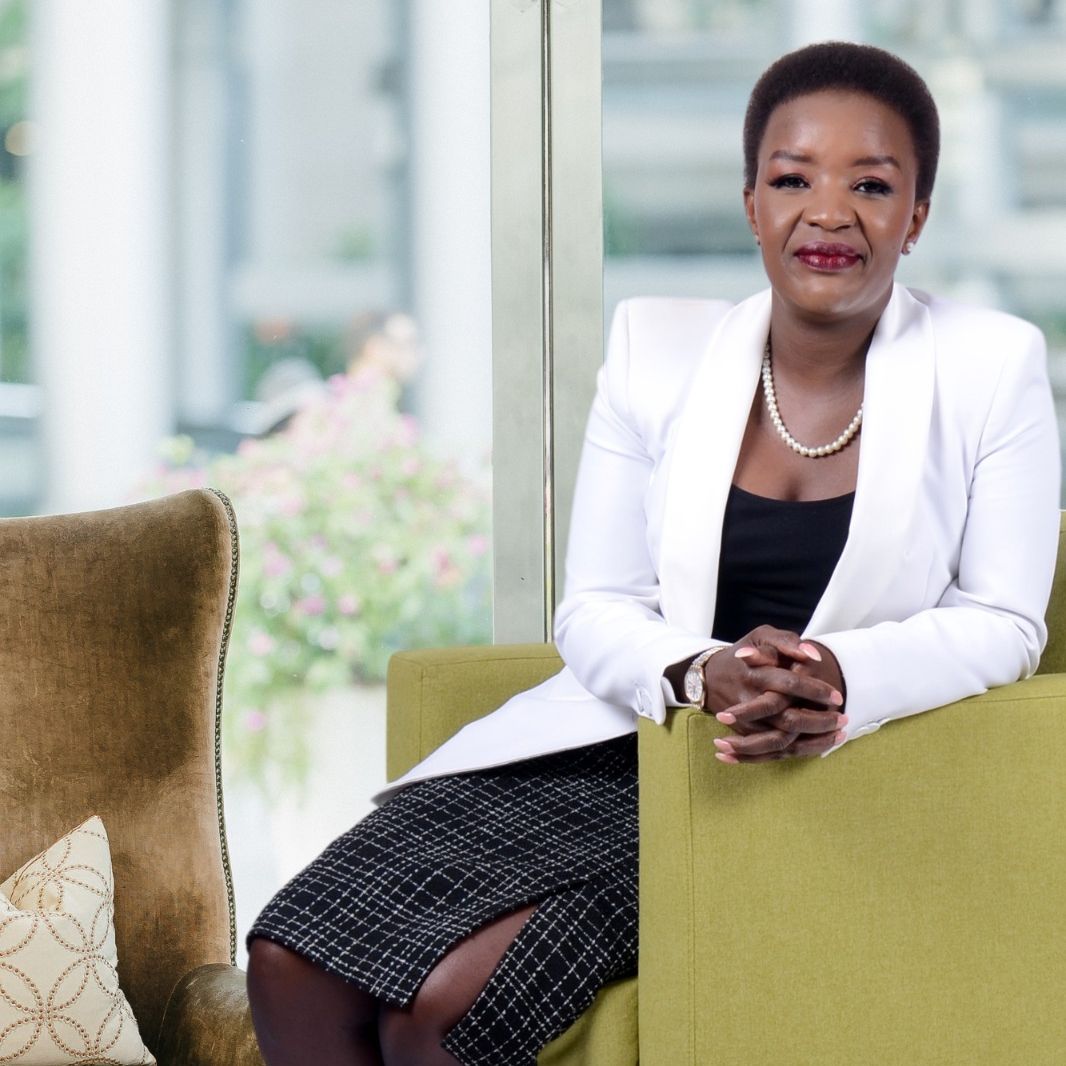
By Prof. Busisiwe Mavuso
- Minister Hlabisa named cadre deployment as the primary cause of municipal failure, with a white paper going to cabinet next month proposing professionalisation, a corruption register and the amalgamation of dysfunctional municipalities.
- The BLSA Reform Tracker shows central government reforms are progressing, but logistics stepped backwards, with Transnet designing participation terms that favour itself over private operators, undermining the entire reform objective.
- Electricity reform is back on track after presidential intervention corrected Eskom and the ministry’s proposed unbundling structure that conflicted with policy, revealing the fragility of progress when institutions deviate from agreed policy.
- The outgoing SARS Commissioner Edward Kieswetter leaves the agency as proof that institutions can be rebuilt through principled leadership, having transformed it from a State Capture protection racket to an efficient tax collector beating collection targets.
- BLSA elected a new board with Adrian Gore as chair, including four other new members, replacing four who retired. I look forward to working with the new board to achieve BLSA’s mission.
Last week we were pleased to host Minister of Cooperative Governance and Traditional Affairs Velenkosini Hlabisa to address our Council on progress with local government reform. The minister was refreshingly direct – local government reform is economic reform. Dysfunctional municipalities are a binding constraint on investment and job creation, while functional ones are engines of growth. The problems afflicting municipal service delivery are the central challenge facing South Africa’s economic trajectory.
He was also candid about the causes of failure – he named cadre deployment explicitly as the primary culprit, both at the administrative level and at the level of political leadership. He acknowledged that mayors have been deployed without the capacity to understand financial statements, audit outcomes or long-term planning documents. He acknowledged that corruption is entrenched in the municipal sphere and that consequence management has been almost entirely absent.
Business has a clear and direct interest in municipal performance. Well-functioning councils are essential to business, ensuring production can happen, and employees live in conditions that support a good family life. From local roads to water, the cost of doing business can be heavily affected by service provision.
The minister has been developing the white paper on local government as his key reform vehicle. It is going to be submitted to cabinet next month, with implementation potentially beginning in July. It will strengthen the separation between political leadership and the administration, continuing the professionalisation of the civil service, while introducing a corruption register to ensure dismissed employees do not work for the state again. Where municipalities are deeply dysfunctional, unable to pay salaries or deliver services, the white paper provides a mechanism to amalgamate them into better-resourced neighbouring councils.
These reforms are critical and one of the reasons we developed the BLSA Reform Tracker. Minister Hlabisa’s reform agenda is precisely the kind of progress we track. Also last week we launched the latest Tracker quarterly report, available for download here. Broadly, the Tracker shows that central government reforms are progressing, some not as fast as we’d like, but broadly in the right direction. However, municipal reforms have been slower to develop. The Tracker has been following reforms since local government was put on the agenda of Operation Vulindlela in mid-2025. It reveals progress in separating water and electricity services in municipalities, but other fronts, including greater professionalisation and rooting out corruption, have been flat. The White Paper would be a decisive step forward, and I look forward to seeing progress reflected in the Tracker soon.
While most reforms are heading in the right direction, there was an important exception this quarter: the overall logistics reform programme. The Tracker showed a step backwards in the index tracking reforms. This was driven by multiple factors, including the missed deadlines for Volume 4 of the Network Statement, delays in the National Rail Bill, but perhaps most importantly, the emerging challenges to private sector participation in the logistics system. Transnet continues to design all participation terms and runs all projects, resulting in agreements that heavily favour the parastatal over private partners. The network access agreements that are supposed to see 11 private sector operators on the Transnet network are struggling toward completion with terms that substantially constrain the ability of private operators to succeed.
Only three months ago, logistics reform was showing good promise, but now the warning lights are flashing. We need a competitive, efficient and innovative logistics system for our economy to deliver growth. These reforms are not optional – they must be accelerated. The institutional resistance and obstacles need to be tackled decisively. Transnet cannot be allowed to design terms that undermine the entire reform objective.
The Tracker did reveal progress in electricity, after last quarter’s review brought to light that decisions on the structure for unbundling the network operator from Eskom conflicted with established policy. Eskom and the ministry had proposed an unbundling structure that did not align with the policy objective of creating an efficient neutral hub for a competitive electricity market. That institutional deviation from policy could have derailed the entire electricity market transformation. However, the president decisively put reforms back on track, confirming the policy during the state of the nation address in February. The Tracker reflects an improved trajectory as a result. But the fact that such intervention was needed reveals how fragile reform progress remains when institutions deviate from agreed policy.
This kind of political leadership is key to keeping reforms on track, and it is why business and government achieve the most when we work together. I look forward to working with Minister Hlabisa as he works to implement his impressive reform agenda. On that, and many other fronts, reform implementation will deliver the growth and jobs our country critically needs.
One of the most successful examples of institutional reform post State Capture is the SA Revenue Service. I was pleased last week to attend the farewell event for outgoing commissioner Edward Kieswetter as he retires from the job he has held for six years. In that time, SARS has gone from a devastated institution that had been stripped of capacity and turned into a protection racket for those driving state capture, into a fair and efficient tax collection agency. The fact that in his final year the agency was able to beat its collection target is testament to what he has achieved. SARS is back to being an institution that criminals fear and ensures everyone pays their fair share. Its collection efforts have been critical to stabilising government finances, which is essential to creating a conducive business environment.
As I commented at his farewell, “You did not simply manage SARS – you restored it, rebuilt it, and redefined what good leadership in public service looks like.”
“You leave SARS as a benchmark of what is possible in this country, and because of you, South Africa now has proof that institutions can be rebuilt through principled, values-driven leadership.”
I reflected on his impact in this op-ed published last week.
I wish him all the best for the next phase. His replacement, Dr Ngobani Johnstone Mkhubu, is a worthy successor. I look forward to working with him to ensure the agency continues to deliver exceptionally on its mandate.
Last week BLSA elected a new board. I want to thank the previous board for the consistent support and input to the executive of the organisation. Thanks particularly to those retiring members, including outgoing chairman Nonkululeko Nyembezi, Dr Leila Fourie, Neal Froneman, Shirley Mashaba and Lungisa Fuzile. They have made an enormous contribution to our work, and their commitment to driving reform has been unwavering.
I welcome new chairman Adrian Gore and new board members, including Daniel Mminele, Kenny Fihla, Valdene Reddy and Phuti Mahanyele-Dabengwa. They join reappointed members Shameel Joosub, Nolitha Fakude, Prof Michael Katz, Vivien McMenamin, Bonga Mokoena and Adrian Enthoven.
Adrian brings both deep business experience and a longstanding commitment to using business as a force for economic transformation. Under his leadership, I am confident BLSA will continue to drive the reform agenda that South Africa urgently needs. I look forward to working with the new board to achieve the objectives of BLSA.