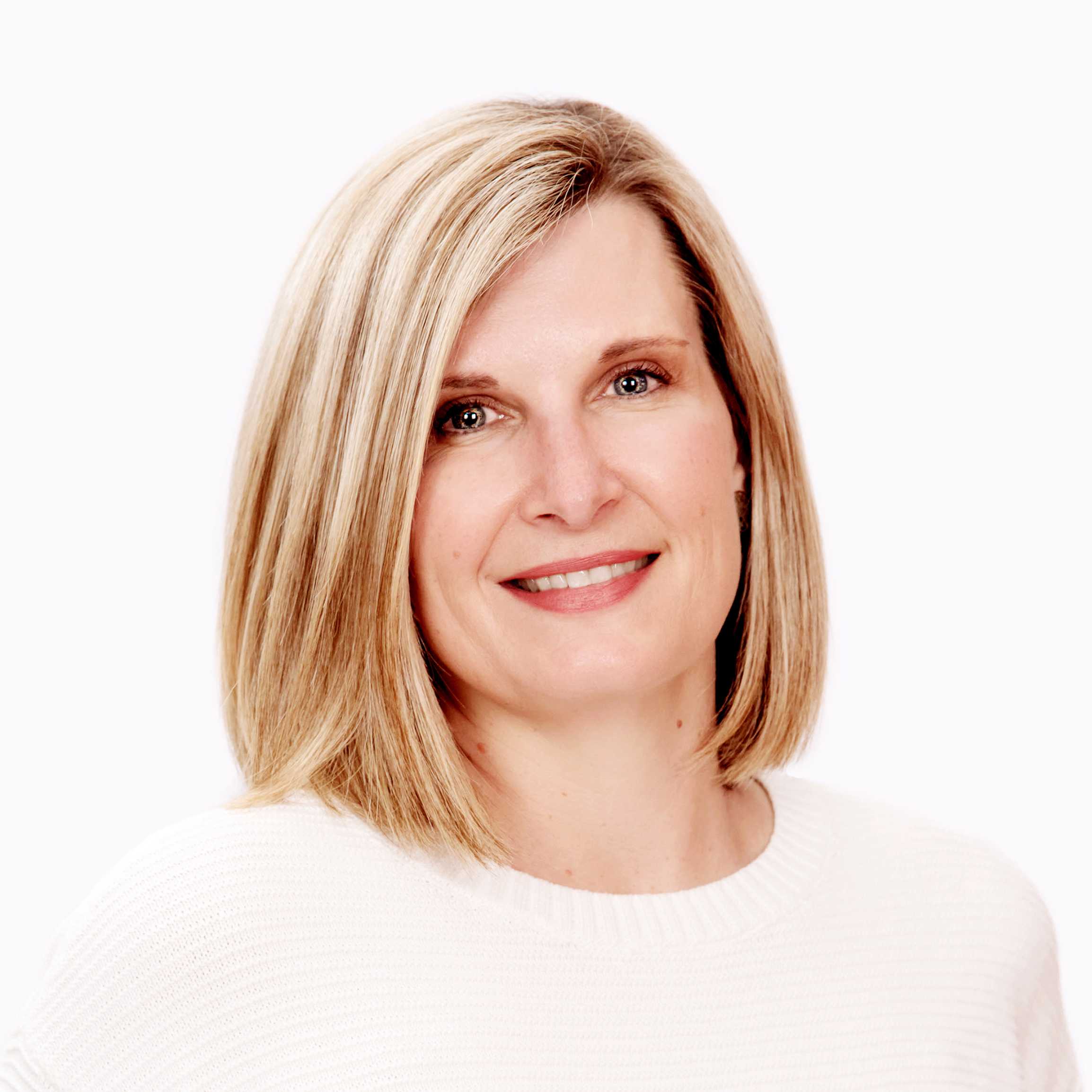
By Sharon Hamman, Senior Legal Adviser at Momentum
Families today look very different to those of previous generations. In the past, estate and financial planning typically centred on a family home, local retirement savings and a will for the breadwinner. Today, however, many families have a far broader footprint.
It is increasingly common for parents to have children studying, working or living permanently overseas. Many families also hold foreign currency accounts, offshore investments and property in other countries. While families have become more global, their wealth structures and estate plans often remain focused on South Africa.
Traditional wealth transfer strategies were designed for a less complex world. When a family’s assets, beneficiaries, and future plans span across different countries, relying on a locally focused financial plan may result in unintended challenges that may may include unexpected tax liabilities, administrative delays and unnecessary complications during wealth transfer.
The reality of families living across borders
When children emigrate and become tax residents of another country, transferring wealth from one generation to the next can become significantly more complex than many families anticipate. What should be a straightforward process at an already difficult time can quickly turn into a cross-border administrative challenge.
Passing assets to beneficiaries living abroad may involve exchange control considerations, unexpected tax consequences, double taxation agreements, and foreign legal procedures. These complexities can increase costs, delay the winding up of an estate and place considerable strain on beneficiaries who are often already dealing with the emotional impact of losing a loved one. The result is frustration, uncertainty and lengthy delays, frequently directed at an executor or financial adviser who may in fact be managing a highly complex international administration process.
There are many moving parts when estate planning extends beyond South Africa’s borders. For example, an individual who owns an offshore investment portfolio or immovable property in another country may assume that their South African will is sufficient to deal with those assets on death. While many foreign jurisdictions will recognise a South African will, it is often not as simple as presenting the document and proceeding with the administration. In most cases, the will must first undergo a formal legal process before it is recognised by the foreign court or authority, after which local legal representatives may need to be appointed to assist with the transfer and administration of the assets. This inevitably adds both time and cost.
Families are often surprised to learn that certain countries levy taxes on assets situated within their borders, even where the deceased was not a resident of that country. Commonly referred to as situs taxes or inheritance taxes, these liabilities can create unexpected cash-flow pressures and increase the liquidity requirements of an estate. Without proper planning, beneficiaries may find themselves waiting longer than expected to receive an inheritance, and in sometimes even relinquishing their inheritance to pay taxes.
Add the modern blended family to the mix as well as forced heirship rules, where the law of the land dictates how assets should be distributed upon death, and you might just have a recipe for disaster.
That is why an effective legacy plan requires a comprehensive understanding of the family dynamic, where family members reside, where assets are situated, and how the succession, matrimonial, tax, and regulatory laws of the relevant jurisdictions interact. Careful planning is essential to ensure that assets are transferred efficiently, the wishes of the testator are respected, and unintended legal or tax consequences are minimised.
Shifting from local advice to global partnership
To successfully preserve and transfer wealth across generations and jurisdictions, financial and estate planning should be treated as an ongoing journey rather than a single event. Regular reviews, undertaken in partnership with the client, their family, and their financial adviser, help ensure that the plan remains current, appropriate, and resilient, providing clarity and peace of mind for future generations.
To achieve these objectives, consideration should be given to a range of planning mechanisms. Depending on an individual’s circumstances, this may include the implementation of jurisdiction-specific wills to ensure that foreign assets, such as offshore property, can be dealt with in accordance with the laws of the relevant countries while remaining aligned with the overall estate plan. Offshore trust structures may also be appropriate in certain cases to facilitate the orderly transfer of wealth across multiple generations and to provide continuity.
Similarly, offshore investment structures should be established with due regard to exchange control considerations, cross-border tax implications, and the liquidity requirements of both the estate and its beneficiaries. In many instances the financial product selected may have a direct impact on the efficiency of the estate plan, ensuring that assets are accessible when required and that beneficiaries in different jurisdictions can receive their inheritances with minimal administrative obstacles.
Taking control of cross-border legacy planning
As we mark the end of Women’s Month, it is also worth recognising the increasingly important role women play in shaping and preserving family wealth across generations and across borders. Whether as primary earners, business owners, executors, trustees, caregivers, or beneficiaries, women are often at the centre of financial and succession planning decisions that affect multiple generations and jurisdictions.
This is particularly relevant in globally connected families. Mothers are frequently the anchor between family members living in different countries, helping to coordinate financial decisions, facilitate communication between generations, and ensure that a family’s long-term legacy remains aligned with its values and objectives. As children relocate, families become more geographically dispersed, and assets are accumulated across jurisdictions, the need for informed and proactive financial planning becomes even more important.
Many women are also bound to become the beneficiaries of one of the largest intergenerational wealth transfers in history. As a result, their active participation in estate planning, investment decisions, and cross-border wealth structuring is no longer simply desirable, it is essential. The most successful legacy plans are often those developed through open family conversations and strong partnerships between clients, their families, and trusted advisers.
Success beyond borders
Ultimately, cross-border estate planning is about more than managing assets or navigating complex legal systems. It is about ensuring that wealth continues to support the people, opportunities, and values that matter most, regardless of where future generations may choose to live.
As women, we have never been better positioned to take control of our own financial futures and to influence the financial wellbeing of future generations. Protecting what we have built is an important part of owning our success, but taking responsibility for how that wealth is preserved, managed, and ultimately transferred is equally important. Financial confidence, accountability, and intentional planning are among the most valuable legacies we can leave behind.
Equally, we have a responsibility to ensure that our wealth becomes a bridge to our family’s global future rather than a barrier to it. This requires looking beyond traditional local planning and recognising that the families and beneficiaries we seek to support may one day live, work, and prosper in different parts of the world.
By combining financial independence with holistic professional advice, we can move beyond immediate financial protection towards true intergenerational empowerment. In doing so, we not only secure our own financial success, but help create a lasting legacy that supports future generations wherever life may take them.